
The Odyssey Review: Nolan’s Most Ambitious Film Yet – And His Most Argued-Over
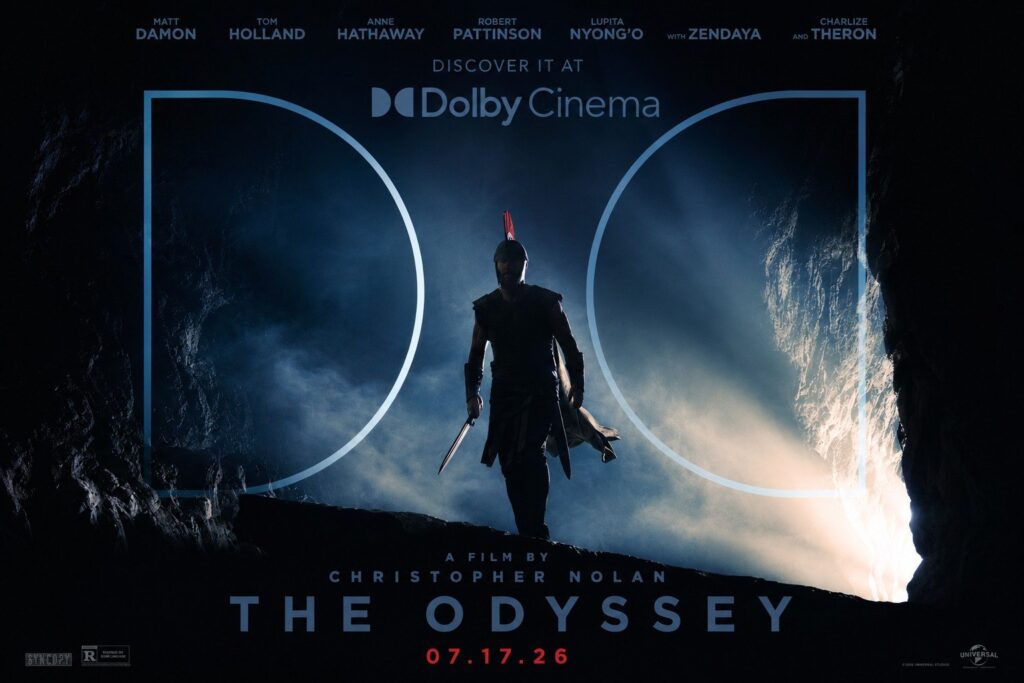
Quick Verdict
⭐⭐⭐⭐☆ (4/5)
The Odyssey is worth a theatre ticket, ideally on the biggest IMAX screen you can find. It’s also, depending on which corner of the internet you’ve wandered into this month, either Christopher Nolan’s finest hour or a betrayal of Homer. I land somewhere between those extremes: this is a hugely ambitious, technically extraordinary film that finds something genuinely new in Homer’s story, even if some of Nolan’s choices strip away part of what made the original myth so powerful.
Disclosure Day: Movie Overview
| Movie Details | Information |
|---|---|
| Title | The Odyssey |
| Year | 2026 |
| Runtime | 172 minutes |
| Director | Christopher Nolan |
| Screenplay | Christopher Nolan |
| Genre | Action / Adventure / Fantasy Epic |
| Starring | Matt Damon, Anne Hathaway, Tom Holland, Zendaya, Lupita Nyong’o, Robert Pattinson, Charlize Theron |
| Based On | Homer’s Odyssey, with Nolan citing Emily Wilson’s 2017 translation as a key reference point |
| Critical Rating | ~95% on Rotten Tomatoes from 300+ critics — Nolan’s best-ever critics’ score, moving slightly as more reviews come in / 97% audience Popcornmeter, also a career high for Nolan |
| Box Office Status | $264.1M worldwide opening weekend ($124.5M domestic / $139.6M international) against a $250M budget -Nolan’s biggest global opening ever. Domestic cume had climbed to $141M through its first four days. |
| Filmi Galaxy Rating | ⭐⭐⭐⭐☆ (4/5) |
Christopher Nolan’s The Odyssey isn’t the kind of film you’ll forget on the drive home. I walked into the theatre expecting another large-scale historical epic, but what I got was something far more introspective. Beneath the IMAX spectacle, breathtaking cinematography, and mythological adventure is a story about guilt, memory, and the cost of war. That doesn’t mean everything works. Some creative choices are genuinely brilliant, while others left me wishing Nolan had trusted his own ideas a little more. After looking at the film itself, the production, the performances, the controversy surrounding its release, and how audiences have responded, here’s where I landed: it’s absolutely worth watching, but not without a few reservations. More on the ending later; this review stays completely spoiler-free until clearly marked.
What Is The Odyssey Actually About?
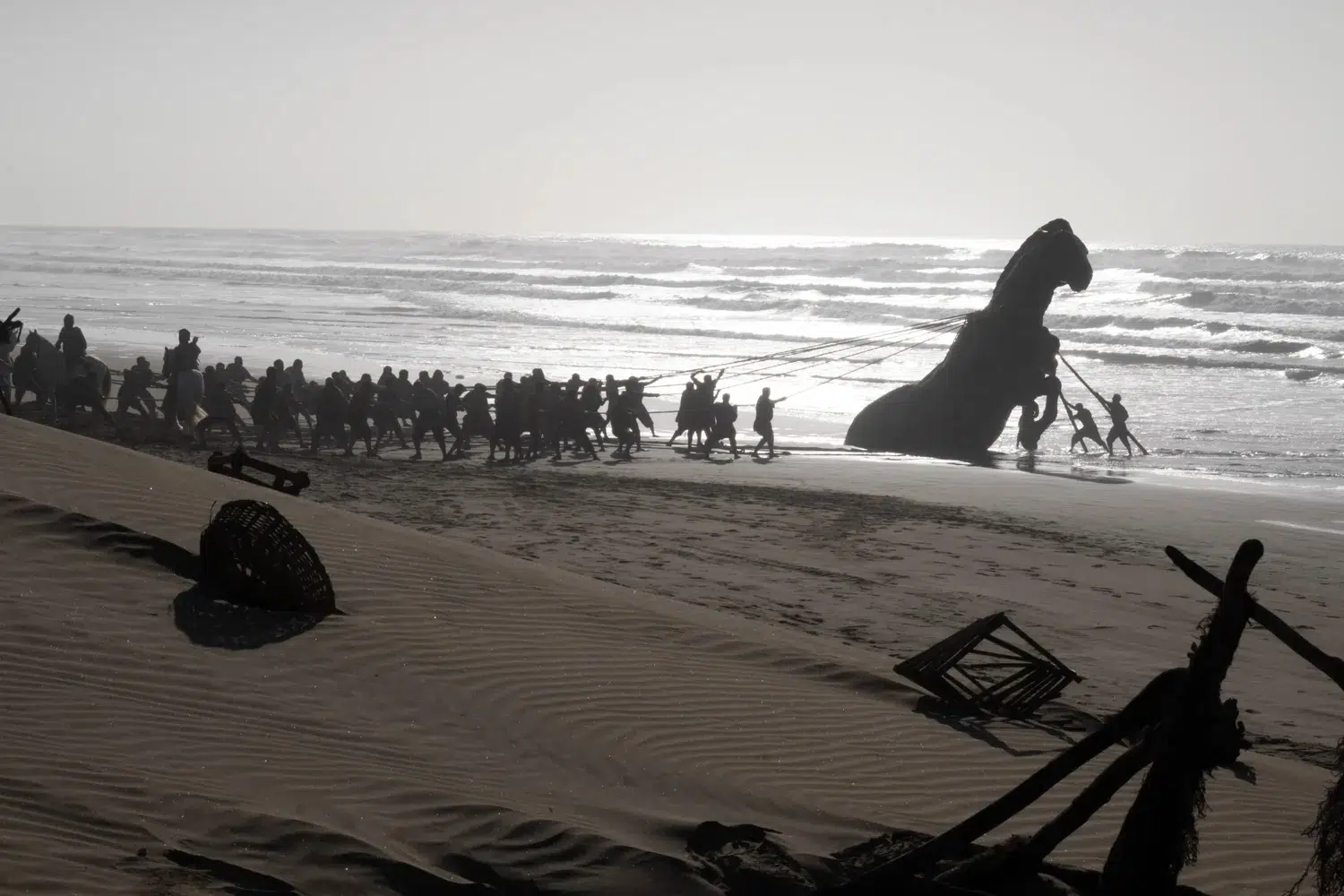
It’s a homecoming story that keeps refusing to let its hero come home. Matt Damon plays Odysseus, the king of Ithaca, a decade removed from the Trojan War he helped end with a wooden horse and a lie. Getting back should take weeks. It takes another ten years, because every god and monster in his path treats him as unfinished business. Back in Ithaca, his wife Penelope (Anne Hathaway) is stalling a hall of suitors led by the smug, dangerous Antinous (Robert Pattinson), while their son Telemachus (Tom Holland) is stuck being treated like a boy in a situation that badly needs a man. The film opens on a single title card, framing the whole story as unfolding in an age when magic still seemed real, before cutting between the war, the ten-year voyage, and the long wait at home the same way Nolan cuts between timelines in most of his films, so don’t expect a straight line from Troy to Ithaca.
Is The Odyssey Worth Watching in IMAX?
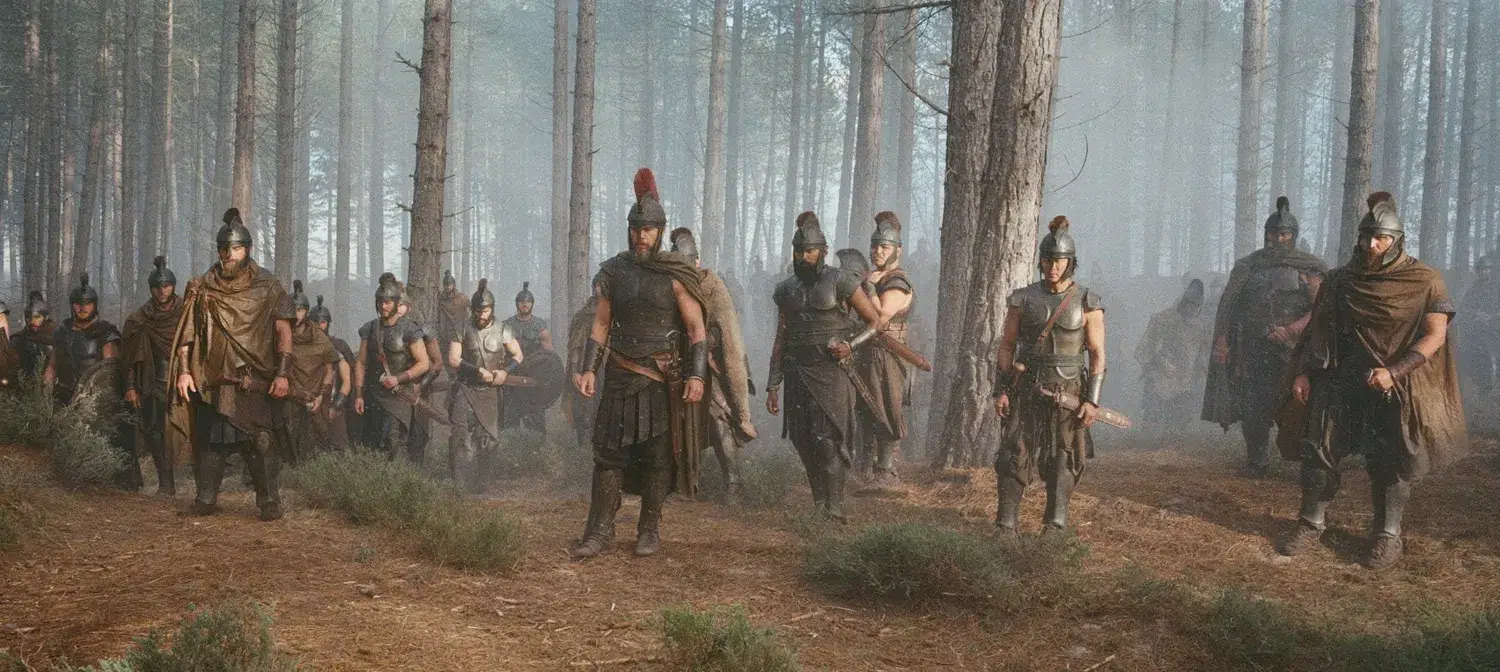
Yes, on the biggest screen you can get to. The Odyssey is the first film ever shot entirely on IMAX film cameras, framed in the tall 1.43:1 ratio, across practical locations in Iceland, Morocco, Greece, Scotland, and Italy rather than in front of a green screen, and none of that scale survives a laptop or TV screen later. I watched it in Delhi, where the available IMAX presentation wasn’t the true 1.43:1 IMAX 70mm format Nolan shot on most IMAX auditoriums in India, like a lot of the world, run digital IMAX rather than film-based 70mm, and even so, the scale, clarity, and sound made it one of the best theatrical experiences I’ve had this year. If you happen to live near one of the small number of true IMAX 70mm screens worldwide, that’s the reference way to see it. If you don’t, don’t write off the experience: a good digital IMAX or any premium large-format (PLF) screen still delivers most of what makes the film visually overwhelming. You lose some resolution and immersion, not the experience itself; this is simply a film that earns being seen in a theatre rather than saved for streaming. As we highlight in this The Odyssey review, where the film is shakier is the writing: several reviews agree that Nolan’s grounded, myth-skeptical instincts reduce most of the gods to occasional mentions rather than characters, leaving the “odyssey” half of the story feeling thinner than the political intrigue back in Ithaca.
Why Watch It
- The single biggest technical filmmaking achievement in theatres this year.
- Matt Damon carrying a role resting entirely on his ability to play a man who is both hero and anti-hero at once
- Anne Hathaway matching him beat for beat as Penelope
- Most importantly, because it’s a Christopher Nolan movie, you’ve got to see it. You know it’s got to be good
Skip If…
- You want the gods front and centre the way Homer wrote them – most of them are felt, not seen
- Nearly three hours is a hard ask, and the middle stretch does sag
- The casting controversy already soured you on the film; nothing here is likely to change your mind either way
What Works Best in The Odyssey?
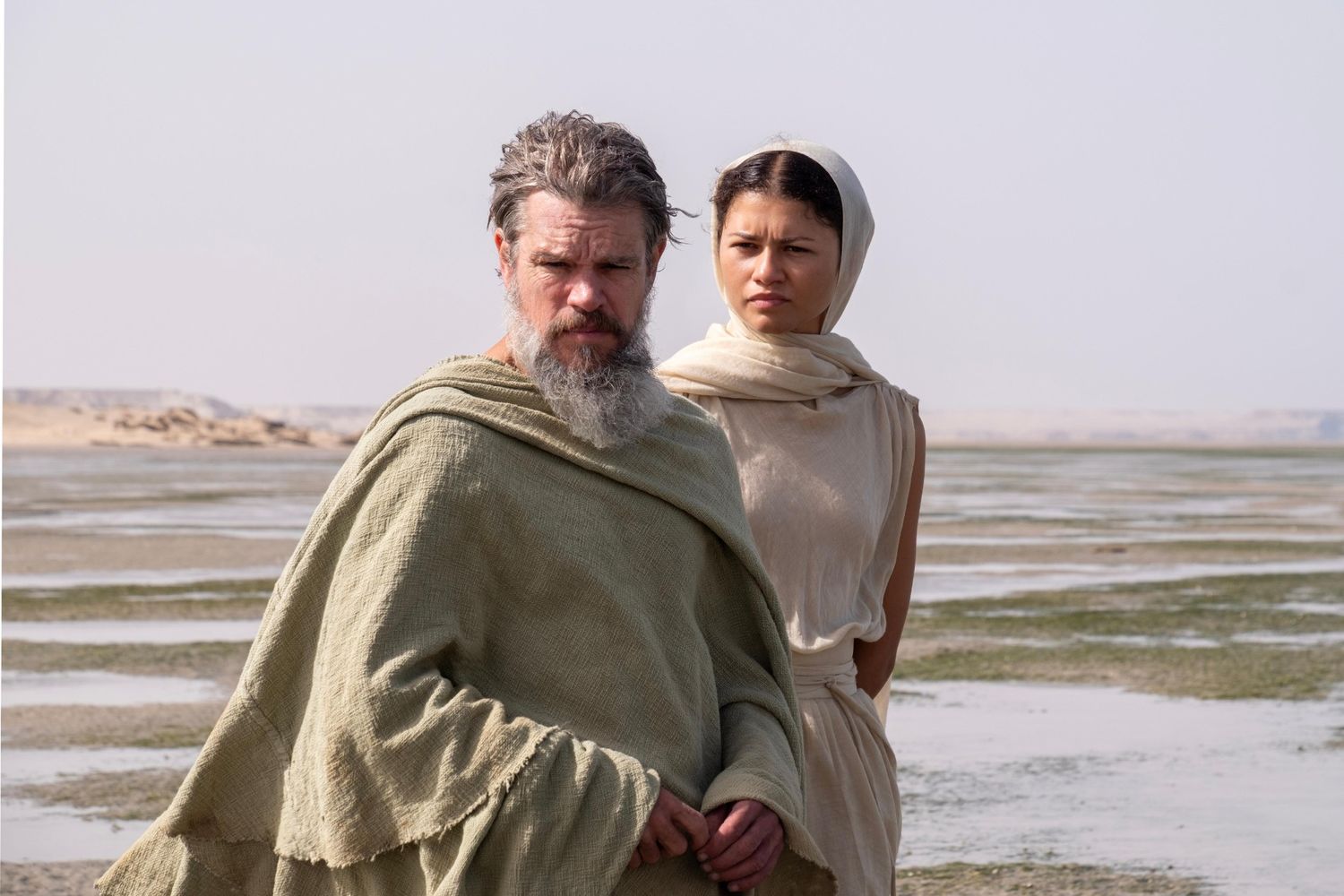
Matt Damon gives what might be the best performance of his career, while Samantha Morton’s Circe sequence stands out as the single strongest scene in the film. Damon plays Odysseus as an old-fashioned, Gary Cooper-style movie hero, but leans hard into the character’s contradictions: he preaches a personal code of honor, ritually twanging his bowstring before firing at a moving target to keep things fair, then breaks that same code whenever it’s inconvenient, and gets defensive when anyone notices. It’s a performance built on that gap between the man Odysseus wants to be seen as and the man his actions keep revealing him to be. This struggle becomes the engine of Damon’s performance. It’s what makes this version of Odysseus feel compelling rather than merely legendary.”
What impressed me most wasn’t the physical transformation or the action scenes; it was how Damon communicates the emotional cost of war without turning Odysseus into a man who constantly explains his feelings. Nolan treats the character less as a conquering hero than as a soldier who never truly left Troy. The flashbacks, recurring visions, restless silences, and moments of hesitation suggest a man carrying what we’d now recognise as post-traumatic stress and profound moral injury, even if the film never labels it outright. His ten-year journey home begins to feel as much psychological as geographical.
That tension between the legendary king Odysseus wants the world to remember and the broken man he has become powers Damon’s entire performance. Every victory feels haunted by an earlier mistake, every reunion delayed by guilt he can’t outrun. By the time he finally reaches Ithaca, Damon’s greatest achievement isn’t convincing us that Odysseus can defeat monsters; it’s convincing us that the hardest battle is learning how to live with the person the war turned him into.
Samantha Morton gets only about 10 minutes of screen time, but somehow it feels like she steals the entire movie anyway. Her Circe sequence was the one part of the film I couldn’t stop thinking about afterwards. She welcomes Odysseus’s starving crew with what looks like a feast, only for it to turn into one of the film’s most disturbing moments as she calmly reshapes their faces into pig snouts with her bare hands while quietly reciting an incantation. The fact that Nolan leans on practical effects rather than burying everything in CGI makes it even more unsettling. Up until that point, the mythology had mostly been something the film talked about. This is the moment it finally feels real, dangerous, and completely outside Odysseus’s control.
Anne Hathaway’s Penelope is probably the quietest performance in the entire film, and that’s exactly why I think some people are going to overlook it. She isn’t given the kind of big emotional speeches or dramatic breakdowns that usually grab attention. Instead, Hathaway plays Penelope with remarkable restraint, letting small expressions and long silences do most of the work. She spends almost the entire film carrying the weight of a kingdom that’s slowly falling apart while refusing to let anyone see her panic. If you’re expecting fireworks, you might come away wanting more. But if you’re willing to meet the performance on its own terms, there’s a quiet strength here that stayed with me long after the credits rolled.
The genuinely surprising positive here is Zendaya’s Athena, and it works precisely because she isn’t Athena at all; a late reveal confirms she’s a priestess of the goddess, beheaded by Odysseus’s men during the sack of Troy, haunting him for it. That’s a sharper choice than a straightforward vision-of-a-goddess would have been: instead of illustrating divine judgment, Nolan makes guilt literally wear the face of a specific, named victim. Most modern myth epics solve “how do we show a god” with more CGI; Nolan solves it by removing the god entirely and replacing her with a ghost only Odysseus can see, which is a much harder swing and one the film lands.
What Doesn’t Work in The Odyssey?
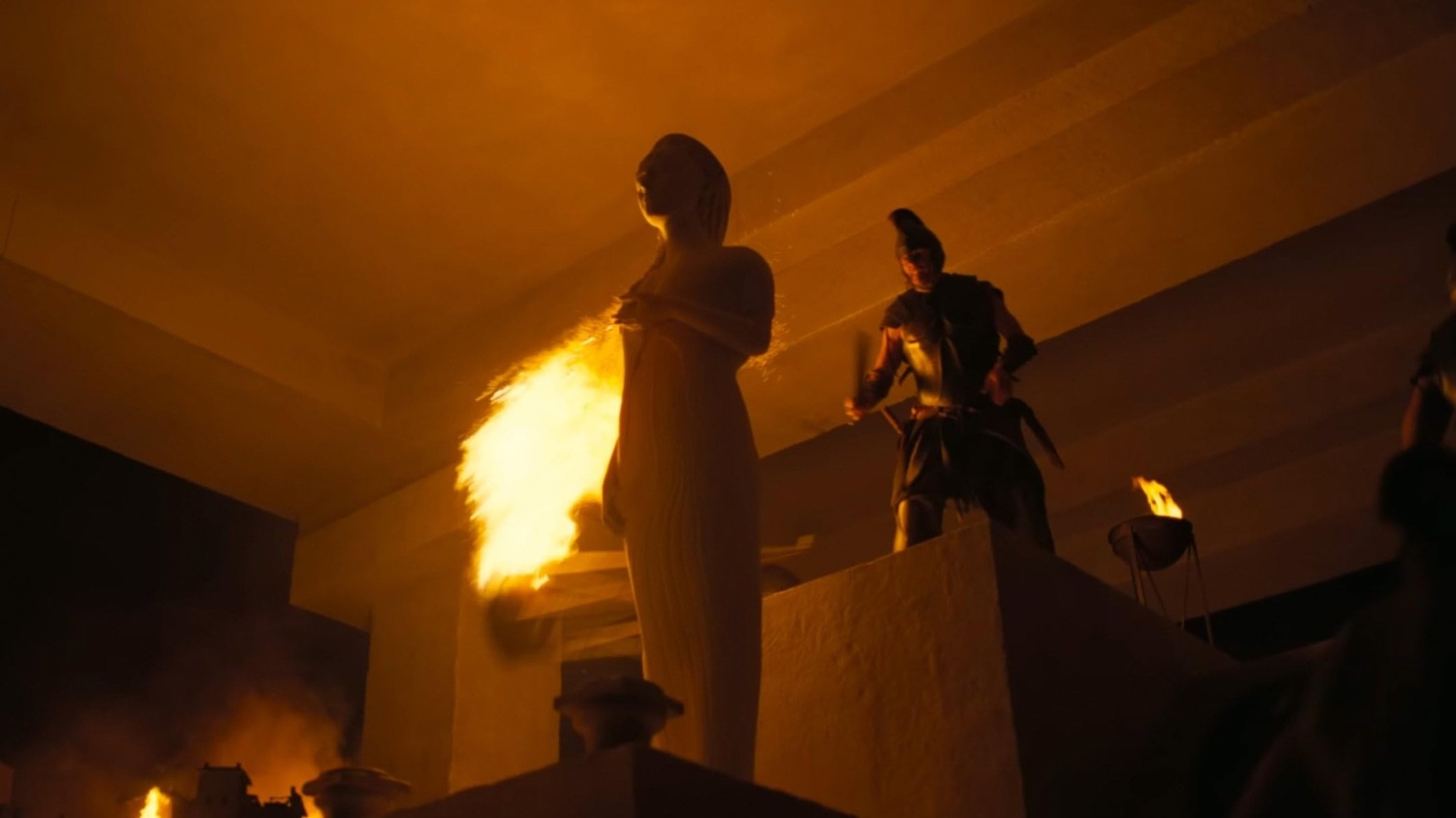
The film sidelines nearly every other god as a felt-but-unseen force, and it costs the “Odyssey” part of the story real scale. Zeus and Poseidon are represented almost entirely through weather, thunder, and punishing seas rather than appearing as characters. Nolan also changes the actual trigger for Poseidon’s wrath: in Homer, Odysseus’s fatal mistake is boasting his real name to a wounded Polyphemus out of pride. Here, he instead fires an arrow into the already-blind, defenseless Cyclops, trading a flaw of arrogance for a colder, uglier one of cruelty. It’s a sharper character beat than the source material’s, but it also plays closer to a monster-movie set piece than a cosmic consequence. That grounding instinct is the same one that made Gotham look like an ordinary American city instead of a gothic nightmare in the Dark Knight trilogy: Nolan seems genuinely uncomfortable with outright fantasy, even when he’s adapting a story that’s fundamentally about divine intervention.
The other honest complaint is pacing. The middle stretch of the string of island encounters between the Cyclops and Circe starts to feel like Nolan working through a checklist of episodes out of fidelity to the source material rather than because each one earns its place dramatically. It’s the one place where a nearly three-hour runtime actually feels like nearly three hours.
Cast Performance Analysis
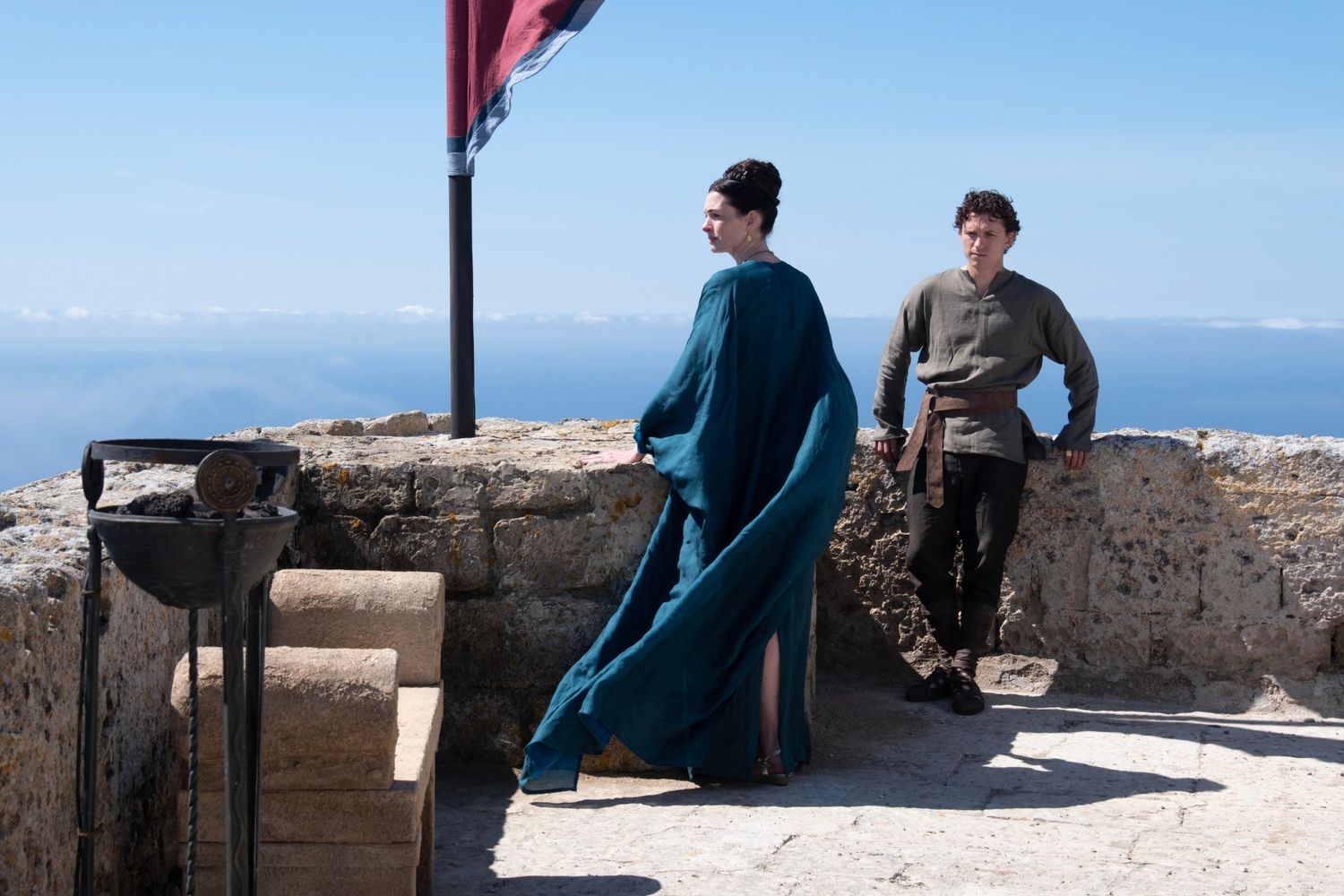
Damon is the clear standout, but this is a genuinely deep bench of standout moments, not just Damon and Hathaway carrying dead weight.
| Actor | Role | Honest Take |
|---|---|---|
| Matt Damon | Odysseus | Odysseus feels less like a legendary king and more like a soldier haunted by everything he did to get home. The Sirens monologue is where Damon’s performance hit me the hardest. |
| Anne Hathaway | Penelope | A restrained performance that won’t work for everyone, but I found Hathaway’s quiet strength far more effective than a showier approach. |
| Tom Holland | Telemachus | Holland brings plenty of sincerity to Telemachus, but the character sometimes feels underwritten, leaving him with fewer standout moments than he deserves. |
| Robert Pattinson | Antinous | Pattinson clearly has the most fun in the cast, turning Antinous into a villain who’s as charismatic as he is dangerous. |
| John Leguizamo | Eumaeus | The blind, loyal servant who becomes Telemachus’s real father figure in Odysseus’s absence. Reviewers note he supplies both the film’s warmth and its one deliberate joke |
| Himesh Patel | Eurylochus | Confronts Odysseus, brother-to-brother, over recklessly endangering the crew for his own pride |
| Jon Bernthal | Menelaus | Recounting the legend of the Trojan Horse to Telemachus draws some of Holland’s most affecting reaction work in the film |
| Lupita Nyong’o | Helen of Troy / Clytemnestra | A dual role that’s more thematically pointed than most casting debates gave it credit for (more below) |
| Samantha Morton | Circe | Roughly ten minutes of screen time; near-unanimously cited as the film’s best scene |
| Charlize Theron | Calypso | Underused but effective in the film’s quieter, more melancholy register |
| Elliot Page | Sinon | His ghost confronting Odysseus in the Underworld over being used as a disposable pawn in the Trojan Horse plot; reviewers point to this scene as the clearest window into Odysseus’s inner conflict |
| Benny Safdie | Agamemnon (ghost) | Warning Odysseus that his own wife murdered him the moment he walked through his door |
How Is Christopher Nolan’s Direction in The Odyssey?
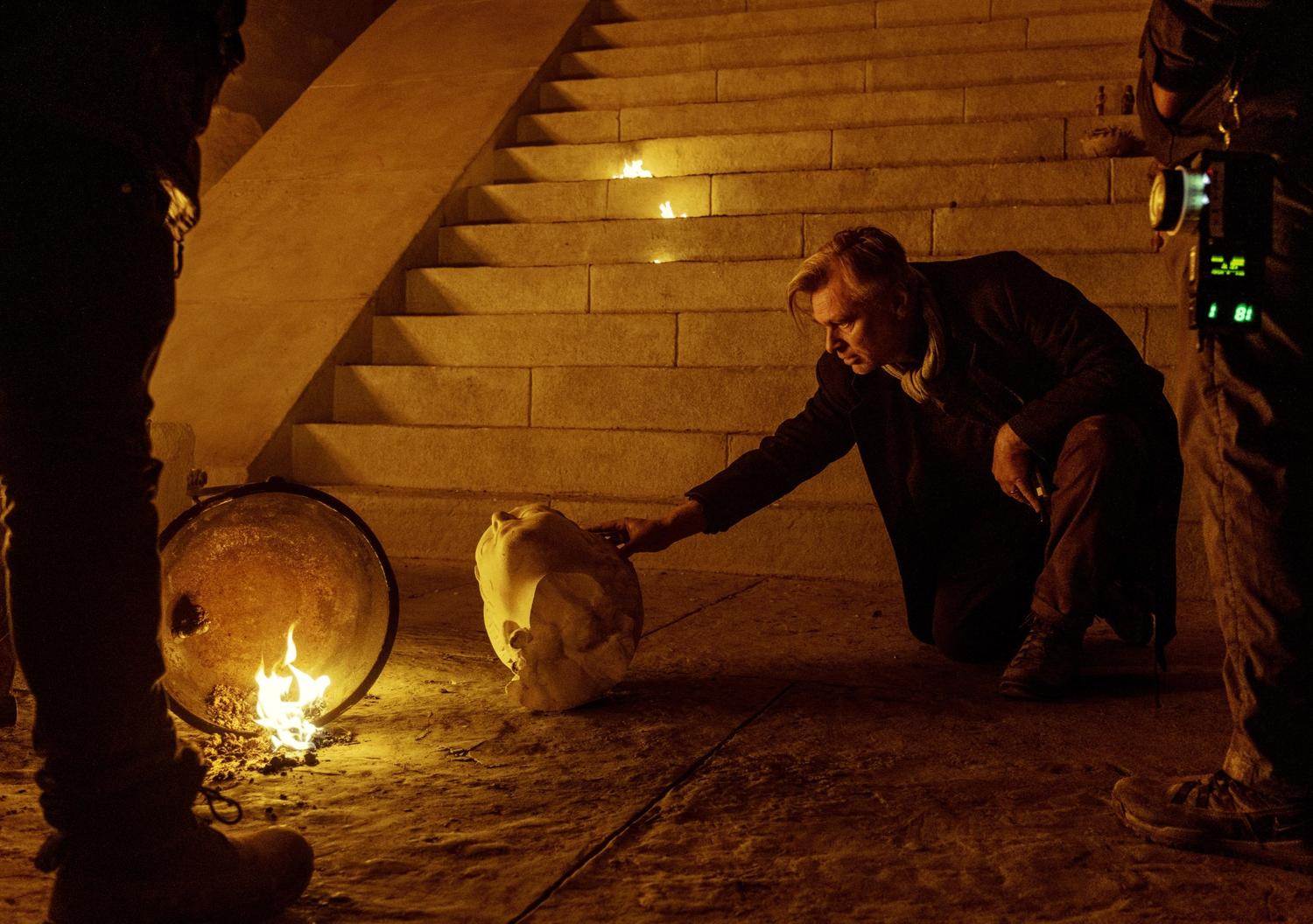
One thing that kept coming back to me while writing this The Odyssey review: this doesn’t feel like Christopher Nolan trying to fit into Greek mythology. It feels like Greek mythology being pulled into Christopher Nolan’s world. Nolan directs the Ithaca sections, the political standoff between Penelope, Telemachus, and the suitors, with the same tension-through-patience he brought to the vault heist in Inception, letting small gestures (a locked door, a delayed answer) carry as much weight as the sea monsters do elsewhere. Where his direction struggles is tonal consistency: the film swings between a grounded palace drama and a fantastical monster movie without quite finding a register that holds both halves together, and the seams show most in the second act.
Worth sitting with for a second: this is an R-rated, three-hour adaptation of a nearly 3,000-year-old poem, with no built-in franchise or superhero audience behind it, and it still opened bigger globally than any film Nolan has ever made, including Oppenheimer and The Dark Knight trilogy. At that point, the story isn’t really about The Odyssey anymore; it’s about Christopher Nolan himself. Audiences aren’t just buying tickets for the premise; they’re buying tickets because his name is on the poster. Very few directors have reached that level, where their name alone can sell a movie. Nolan has.
Cinematography Analysis
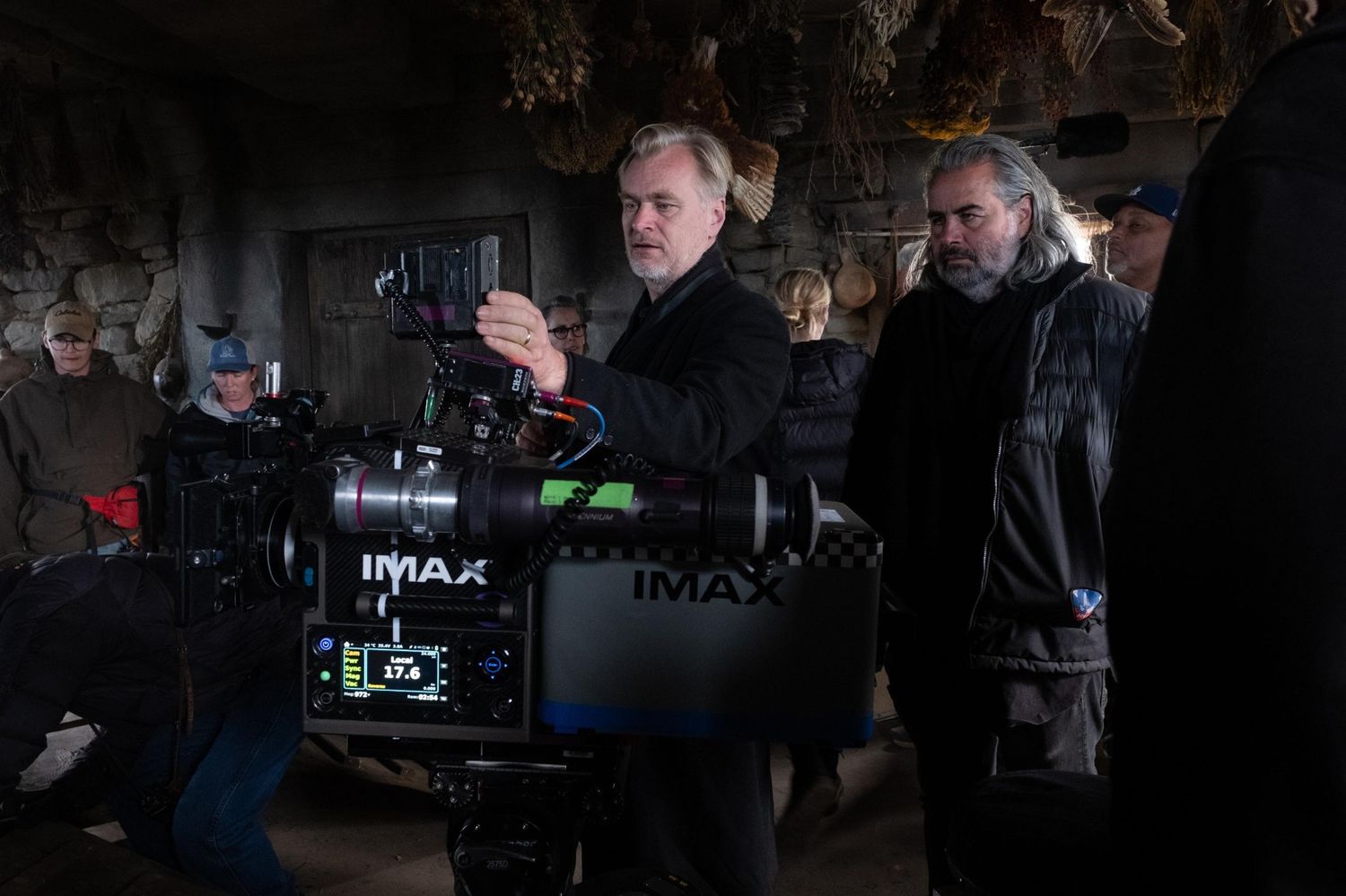
Hoyte van Hoytema’s IMAX photography is reason enough to see this in a theatre. Fresh off his Academy Award-winning work on Oppenheimer, Hoytema somehow finds another way to make large-format photography feel immersive rather than just impressive. Having collaborated with Christopher Nolan on Interstellar, Dunkirk, Tenet, Oppenheimer, and now The Odyssey, the two clearly understand exactly how to push IMAX cameras further than almost anyone else working today. Shot in the towering 1.43:1 IMAX ratio, the ocean doesn’t just feel like the backdrop to Odysseus’s journey it feels like the film’s real antagonist, shifting between breathtaking beauty and quiet menace from one scene to the next. The practical, on-location shooting across multiple countries gives every frame a scale and texture that green-screen epics rarely achieve. Ruth De Jong’s production design does the same thing indoors. Penelope’s quarters feel more like a prison than a palace, while the dimly lit halls of Ithaca constantly remind you that this is a kingdom living in the shadow of its own past. I did notice a few moments where the image looked softer and darker than I expected, but it never distracted me from the experience. If anything, this is another reminder that Hoytema has become one of the defining cinematographers of the IMAX era. forgotten how to do; you always know where everyone is in the frame, which makes the tension legible instead of chaotic. The color desaturation during Margaret’s “reading” sequences is a smart visual shorthand that never needs a line of dialogue to explain itself.
Music and Sound Design Analysis
Ludwig Göransson’s score does the emotional work the dialogue sometimes leaves unsaid. After winning an Academy Award for Oppenheimer, Göransson once again proves why he’s become one of Christopher Nolan’s most valuable creative partners. Rather than overwhelming every scene with wall-to-wall music, he knows exactly when to step forward and when to disappear, letting silence carry just as much weight as the orchestra. The score shifts effortlessly between thunderous action, creeping dread, and surprisingly tender moments, mirroring the film’s constant movement between war epic, mythological fantasy, and intimate family drama. Travis Scott, who co-wrote and performs the closing credits song, also appears on screen as a Homeric bard early in the film. I loved that little detail because it quietly introduces one of the film’s biggest ideas: every legend begins with someone telling a story, and every retelling changes it just a little. It’s a small touch, but one that stayed with me long after the credits rolled.
The Odyssey Casting Controversy, Explained
It centres on one piece of casting, and despite months of online arguments, it never made a dent at the box office. You can’t really talk about The Odyssey’s release without mentioning the backlash that followed it almost from the moment the cast was announced.
Lupita Nyong’o plays a dual role as Helen of Troy and her half-sister Clytemnestra. Much of the criticism came from online commentators, including Elon Musk and Matt Walsh, who argued the casting was historically implausible, pointing to Homer’s descriptions of Helen and the lack of textual precedent for a Kenyan-born actress in the role. Nyong’o never seemed interested in debating it, saying the cast reflected the world Nolan wanted to create. Nolan took a similarly measured approach, pointing out that many of the loudest critics hadn’t actually seen the film.
Here’s the part I think got lost in all the noise: the dual casting is far more thematically interesting than either side of the debate gave it credit for. Helen is remembered as the woman whose beauty supposedly started the war; Clytemnestra becomes the woman who destroys one of its returning heroes. Casting the same actress in both roles quietly links the beginning and the end of the Trojan War through the women forced to live with its consequences. Whether Nolan intended that reading or not, it’s right there on screen, and I found it far more interesting than another endless argument about “historical accuracy” versus “diversity casting.”
The more thoughtful criticism came from some Greek commentators, who questioned why a story so central to Greek cultural identity wasn’t led by more actors of Greek or Mediterranean heritage. I think that’s a fair conversation to have, and it’s a separate discussion from the online outrage that dominated headlines before release. As for whether any of the controversy actually hurt the film commercially, the answer is pretty clear: it didn’t. The Odyssey went on to deliver the biggest global opening of Nolan’s career, another reminder that online controversy and real-world box office rarely move in the same direction.
Themes and Hidden Meanings in The Odyssey
The message, stated as simply as I can put it, is this: violating hospitality xenia, or what the film calls Zeus’s Law, is the original sin that sets every tragedy in motion, and no one, whether hero or villain, escapes paying for it. Nolan spends almost the entire runtime reframing the Trojan Horse not as Odysseus’s greatest triumph but as his greatest moral failure. By entering Troy under the false promise of peace, he breaks the very law the film keeps returning to. From that point on, every stop on his journey feels like another consequence of that single choice. Odysseus and his men repeatedly become the very kind of invaders they once fought against, while Agamemnon’s willingness to sacrifice his own daughter for power makes it clear that this war was never really about honour in the first place. That’s what fascinated me most about Nolan’s interpretation: by the end, the film suggests that “war hero” and “war criminal” often describe the same men. The only difference is which story gets told about them afterward.
The structural choice that’s easy to miss on one viewing: the film tells the Trojan Horse story three separate times, from three different tellers, and each version shifts slightly. That’s less a Rashomon trick than a Memento one; Nolan isn’t interested in “who’s lying”; he’s interested in how a story hardens into myth the more times it gets retold, which is a quieter and more interesting question than most epics bother asking.
The Odyssey Ending Explained
Major Spoiler Warning
Broad strokes only below; a full beat-by-beat breakdown lives on the standalone page linked further down.
Odysseus does make it home, wins Penelope’s bow contest, and kills the suitors alongside Telemachus but the emotional climax happens just before that, when a still-disguised Odysseus confesses his guilt to Penelope without revealing who he is. Afterward, rather than reclaiming his throne, he hands it to Telemachus and sails west with Penelope into a self-imposed exile, hoping history forgets his mistakes rather than celebrates them. The film ends without a post-credits scene, closing instead on the image of the burning Trojan Horse and a dedication to IMAX collaborator David Keighley, who worked with Nolan on the custom silent camera rig before passing away shortly after production wrapped.
What clicked for me, watching it a second time, is how much earlier footage gets re-contextualized once you know where the film is heading. The cardinal bird that visits Margaret, the strange animal behavior scattered through the first act, and the languages she suddenly understands are not random. The film is quietly building the idea that whatever extraterrestrial intelligence is behind all of this has been testing communication through Earth’s ecosystem long before it ever tried to reach a human being directly. Margaret and Daniel aren’t just witnesses to that process. They’re revealed to be its endpoint.
Want the Full Breakdown?
What Odysseus decides to do with the throne, what the final shot of him and Penelope actually means, whether Athena was ever really there, and the one line of dialogue the whole film has been building toward we cover all of it in the standalone breakdown.
The Odyssey vs. Similar Films
| Movie | How It Compares |
|---|---|
| Troy (2004) | Troy cut the gods out entirely; Nolan keeps them, just barely visible, a middle ground between the two approaches |
| The Return (2024) | A smaller, more intimate take on the same final act with Ralph Fiennes and Juliette Binoche; some critics prefer its restraint to Nolan’s scale |
| Gladiator (2000) | Nolan’s ambiguous final shot echoes Gladiator’s own afterlife imagery, though several critics feel Nolan’s version lands with less emotional force |
| Interstellar (2014) | Same director’s obsession with a hero pulled between duty and the family waiting at home, transplanted from space to the Aegean |
Is The Odyssey Historically or Mythologically Accurate?
Not strictly, and it isn’t trying to be. Nolan keeps the core journey and most of the major set pieces the Cyclops, Circe, the suitors, the recognition scene but he changes Calypso’s hold over Odysseus from captivity to something closer to a drugged, willing forgetting, and he pulls Sinon, a minor figure from Virgil’s Aeneid rather than Homer, into the underworld sequence to confront Odysseus about the dead he’s failed to honor. The film also draws on Emily Wilson’s 2017 English translation for its more grounded, less ornamental tone, which lines up with Nolan’s broader choice to downplay the gods as physical presences. If you’re coming in having read the poem recently, expect a faithful skeleton with several genuinely new organs.
Who Should Watch The Odyssey?
If you’re a Christopher Nolan fan, seeing this on the biggest IMAX screen possible isn’t just recommended; it’s part of the experience. It’s also for anyone who wants to see IMAX film technology pushed further than it’s ever gone and viewers who like their epics with real emotional stakes rather than wall-to-wall spectacle. If you need your Greek epic to look and feel the way it’s always been imagined colourful, divine, larger than life manage your expectations. If you’re fine with a version that treats the gods as an open question and the guilt of war as the real subject, this delivers.
The Odyssey Parents Guide
Not for younger viewers; this earns its R rating. The MPA rating is for violence and some language. In practice, that covers sustained battle violence including the sack of Troy and the slaughter of the suitors, intense creature encounters with the Cyclops, a handful of strong language including a few uses of the F-word, an implied sex scene with brief non-sexual nudity, and some emotionally heavy material around grief and guilt. There’s no sexual content played for titillation and no gratuitous gore, but the combat is sustained and up close. Practical read: fine for older teens, especially ones studying the poem in school; not recommended for kids under 13 regardless of familiarity with the source material.
What Are Real Audiences Saying About The Odyssey?
For this The Odyssey review, I also wanted to look beyond the critic scores and see where actual audiences landed. The reaction is mostly rapturous, with a smaller but vocal camp of purists who feel Nolan gutted the poem. Beyond the critic score, opening weekend produced a genuine spread of reactions from actual moviegoers and prominent critics posting on X, not just trade reviews. Rotten Tomatoes collected a batch of these directly from ticket-buyers in its audience reviews roundup, and the pattern holds: several call it the best thing Nolan’s ever made, a few found it gorgeous but overlong, and almost everyone who saw it in IMAX brings that up unprompted.
On X, early reactions ranged from calls for a Best Actor nomination for Damon to more measured takes describing the film as emotionally rich but overstuffed. Critic David Crow, for instance, praised its heart while noting it crams in so much fantasy and real Greek history that its scope outpaces even the IMAX format built to hold it. Peter Bradshaw described it as a story of postwar disillusionment witnessed by the dead, while others drew direct comparisons to the haunted, hubris-driven tone of Oppenheimer. On Letterboxd, several reviewers describe packed, goosebump-inducing late-night IMAX screenings, with more than one calling it among the best theatrical experiences of their lives in line with the film’s A CinemaScore and a Rotten Tomatoes Popcornmeter score that settled at 97%, the highest of any Nolan film to date. A recurring surprise among viewers: several went in expecting a straightforward war epic and were caught off guard by how much the Circe sequence plays like outright horror.
On the critical end, a consistent complaint from viewers who came in having read Homer is that the film cuts too much of what they consider essential, and that the casting doesn’t evoke ancient Greece for them. A handful of international viewers have also pushed back specifically on the IMAX presentation itself, describing the brightness and sound levels as overwhelming in the first act. There’s also a practical frustration circulating online that’s worth knowing before you plan a trip: because only a limited number of theatres worldwide are actually equipped to show the film in true IMAX 70mm, plenty of fans who want the format Nolan built this film for simply don’t have access to it where they live. Worth flagging too: a viral post claiming the “real” audience score is far lower has circulated online, but that figure comes from misreading Rotten Tomatoes’ anti-review-bombing filters, not from an actual drop in audience sentiment the 97% has held.
Box Office and Critical Reception
A commercial and critical success, with a real divide underneath the headline numbers. The Odyssey opened to $124.5 million domestically and $264.1 million worldwide, the biggest global launch of Nolan’s career, ahead of The Dark Knight Rises’s previous record. It earned an A CinemaScore and currently sits at 95% on Rotten Tomatoes from 390 critics, with a 97% audience score. That headline number hides a more interesting split: user reviews on Metacritic have been noticeably more mixed than the critic consensus, with recurring complaints about flat characterization and pacing that echo fidelity to the source material more than dramatic necessity, while some outlets, like TIME, have pushed back hard on the film’s visual execution entirely, unfavorably comparing it to smaller-scale recent Odyssey adaptations. The gap between critic enthusiasm and a more skeptical slice of the audience is, if anything, the most honest running story of this film’s release.
The Odyssey Review: FilmiGalaxy’s Take
Our call: 4 out of 5, and one of the year’s essential theatre trips, but not the flawless masterpiece some early reactions are selling it as. Weighing the critic consensus, the audience reaction, and everything reported about the production against each other, here’s where we actually land, in plain terms.
Matt Damon and Samantha Morton are the two performances worth the ticket price on their own. The IMAX craft is not hype; this is genuinely one of the only times “you have to see this on the biggest screen possible” is true rather than marketing copy. Where we push back against the loudest praise: the film’s own internal logic undercuts itself. It spends three hours building an argument that war and revenge corrode everyone they touch, then ends its climax on exactly that kind of celebrated violence without showing Odysseus genuinely change. That’s not a minor nitpick for us; it’s the difference between a great film and a merely very good one that knows what it wants to say and doesn’t quite trust its own ending to say it.
On the controversy: we don’t think the casting backlash holds up to scrutiny, and the box-office numbers back that read audiences turned out in record numbers regardless. The more interesting conversation, in our view, is the one getting less attention: whether a story this central to Greek identity needed a Greek voice somewhere in its top billing. That’s a fair question worth sitting with, and it’s a different one than the manufactured outrage that dominated headlines.
One thing specific to watching this as an Indian audience, and worth flagging since it’s not something the American trade press covers: The Odyssey opened day-and-date here in English, Hindi, Tamil, and Telugu, across roughly 34 IMAX screens nationwide, and crossed ₹50 crore domestically within its first three days, with the English IMAX shows doing most of that heavy lifting over the dubbed versions. That split tells you something useful about who this film is finding in India: audiences going out of their way for the format, not viewers pulled in by a dub. Our advice, if you’re choosing a version to book: skip the dub. This is a film built around Göransson’s sound design and the actors’ own line deliveries, particularly Damon’s, and both lose something real the moment they’re replaced.
Final Verdict
The conclusion of my The Odyssey review is pretty simple: Christopher Nolan hasn’t made the definitive adaptation of Homer’s epic, and I don’t think he was trying to. Instead, he’s made a deeply personal interpretation that strips away much of the mythology to explore guilt, memory, war, and the stories people tell to justify both victory and violence. That approach won’t work for everyone, but it’s exactly what makes this version so fascinating.
Matt Damon delivers one of the strongest performances of his career, Samantha Morton steals every scene she’s in, Ludwig Göransson’s score and Hoyte van Hoytema’s Oscar-winning IMAX cinematography create an experience that’s impossible to replicate at home, and Nolan once again proves he’s one of the few directors who can make a blockbuster feel this ambitious.
Where it falls just short of greatness is the ending. The film spends nearly three hours questioning the morality of war and revenge, yet its final act doesn’t fully commit to the argument it has been building. The suggestion is uncomfortable and clear: “war hero” and “war criminal” often describe the same men. The only difference is which story gets told about them afterward. I just wish the ending had trusted that idea a little more.
If you love Christopher Nolan’s films, you owe it to yourself to see this on the biggest IMAX screen you can find. And if you’re willing to embrace a version of The Odyssey that treats the gods as an open question and the emotional cost of war as its real subject, you’ll find one of the year’s most rewarding cinema experiences.
Watch it for: Christopher Nolan’s direction, Matt Damon’s performance, Hoyte van Hoytema’s breathtaking IMAX cinematography, Ludwig Göransson’s score, and one of the most thought-provoking interpretations of Homer’s epic put on screen.
The Odyssey: Frequently Asked Questions
What is The Odyssey actually about?
On the surface, a king’s ten-year journey home after a war. Underneath, it’s about whether the people who waited can ever fully get back the person they lost. Penelope has to decide if the man standing in front of her is still her husband, and Telemachus has to build a relationship with a father who is, in every practical sense, a stranger. That’s the version of “about” that explains why Nolan wanted to make this specific film, not just a plot summary of what happens in it.
Is The Odyssey worth watching?
Yes, go in for the marriage at its center and the craft around it, not expecting a monster movie. Damon playing a man who keeps preaching honor and breaking his own code, and van Hoytema’s camera work, are the two things a trailer can’t sell you on. Scores back it up too: 95% critics, 97% audiences, an A CinemaScore the first time Nolan’s landed all three at once.
Should I watch The Odyssey in IMAX or a standard theater?
IMAX specifically for the storm and shipwreck sequences in Act One shot with minimal artificial light on real IMAX film, which a standard digital screen genuinely can’t reproduce. A regular theater still delivers the story and performances in full; you’re trading immersion, not comprehension. If you’re in India specifically: almost every “IMAX” screen here is digital IMAX rather than true 70mm, which still delivers most of what makes the film work, just not the reference version.
Where can I watch The Odyssey, and will it stream?
In theatres worldwide since July 17, 2026. No streaming date has been set yet; given how much of the film’s impact comes from scale and sound design, it’s worth prioritizing the theatrical run over waiting for it at home.
Why is The Odyssey controversial?
Mainly over the casting of Lupita Nyong’o as Helen of Troy and Clytemnestra, the lack of Greek or Mediterranean actors in lead roles, and to a lesser extent Nolan’s choice to limit the gods’ physical presence on screen.
Is The Odyssey historically or mythologically accurate?
Not strictly. Nolan keeps the core journey and major set pieces but changes several character motivations, downplays the gods as physical presences, and pulls in at least one figure (Sinon) from outside Homer’s original text.
How long is The Odyssey’s runtime?
172 minutes (just under three hours). Pacing in the middle stretch is one of the more debated aspects of the film.
Is The Odyssey suitable for kids?
No it’s rated R for violence and some language, with sustained battle sequences, intense creature encounters, an implied sex scene, and a handful of strong language. A mid-teens-and-up guide is the practical read.
What is The Odyssey’s budget, and how much did it make?
The production budget was reported at roughly $250 million, with total spend including marketing closer to $375 million. The film opened to $264.1 million worldwide ($124.5 million domestic), Nolan’s biggest global opening ever.
Is The Odyssey overhyped?
The craft lives up to the marketing; the story doesn’t always. If you’re expecting Homer’s gods and monsters front and center, the restraint will feel like a letdown next to the scale of the campaign. If you’re expecting a Nolan war-and-guilt drama with the biggest canvas he’s ever used, it delivers exactly that.
Does The Odyssey have a post-credit scene?
No. Like every other Nolan film, there’s nothing extra after the credits start; you can leave once the story ends. The credits do feature an original song, “When I’m Home,” performed by Travis Scott and James Blake with Ludwig Göransson, and a dedication to longtime IMAX executive David Keighley.
Is The Odyssey similar to the Ramayana?
Structurally, yes, in ways Western reviews haven’t picked up on: a king separated from home for years, a wife who has to hold her ground against outsiders while he’s gone, and a son who has to be reintroduced to a father he barely knows. Homer’s version even has its own quieter recognition test: Penelope confirming it’s really Odysseus that echoes the doubt Sita faces on her return in the Ramayana. This is FilmiGalaxy’s own reading of the parallel, not a connection Nolan or the cast has drawn themselves.

 using WordPress and
No responses yet