
Disclosure Day Review: A Spielberg Sci-Fi That Flinches Right Before It Lands
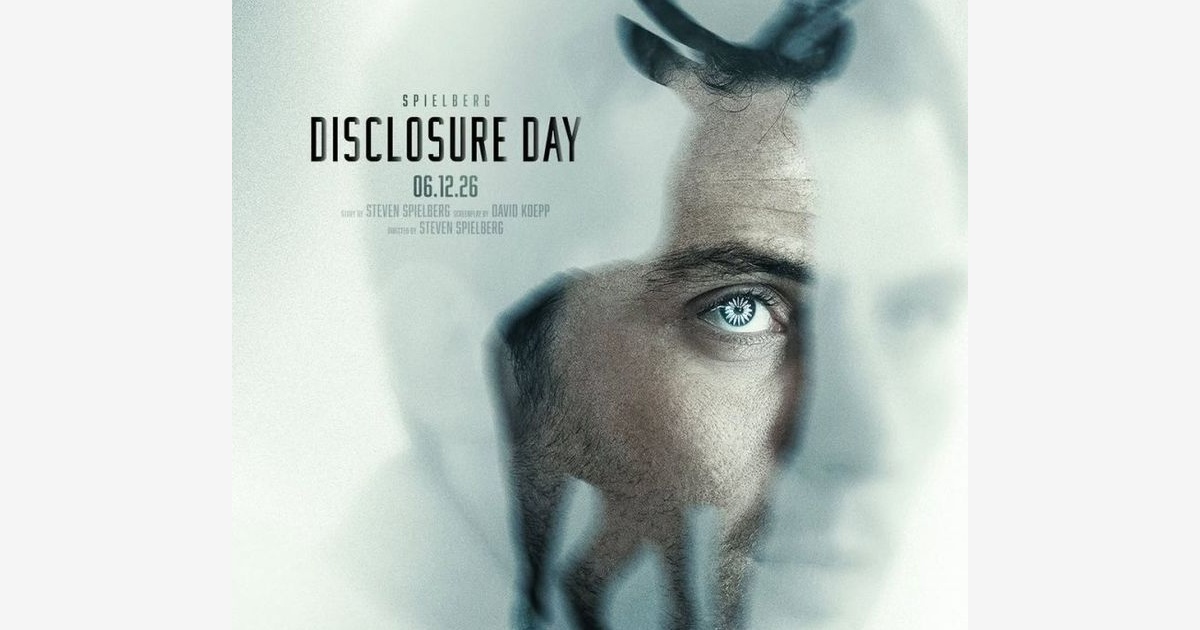
Quick Verdict
3.5/5
Spielberg’s most hopeful film in years, anchored by a genuinely great Emily Blunt performance undone slightly by an ending that chooses quiet reassurance over the payoff the first ninety minutes promise.
Disclosure Day: Movie Overview
| Movie Details | Information |
|---|---|
| Title | Disclosure Day |
| Year | 2026 |
| Runtime | 145 minutes |
| Director | Steven Spielberg |
| Screenplay | David Koepp |
| Genre | Sci-Fi / Thriller / Drama |
| Starring | Emily Blunt, Josh O’Connor, Colin Firth, Colman Domingo, Eve Hewson |
| Based On | Original Screenplay (Not based on prior IP) |
| Critical Rating | 81% on Rotten Tomatoes / IMDb: ⭐ 6.9 / 10 |
| Box Office Status | Opened to $92.9M–$94M worldwide opening weekend (against a $115M budget) |
| Filmi Galaxy Rating | ⭐ 3.5 / 5 |
I’ll be upfront about something before you read another word: I went into my first screening expecting to either love this or roll my eyes through it. Spielberg-does-aliens-again headlines had been everywhere since the teaser dropped, and I wasn’t sure if this was a genuine new idea or just a victory lap. After watching it twice, once on opening Friday in a packed IMAX, once again four days later in a near-empty afternoon show, my opinion settled somewhere more interesting than either extreme. More on that below.
What Is Disclosure Day About?
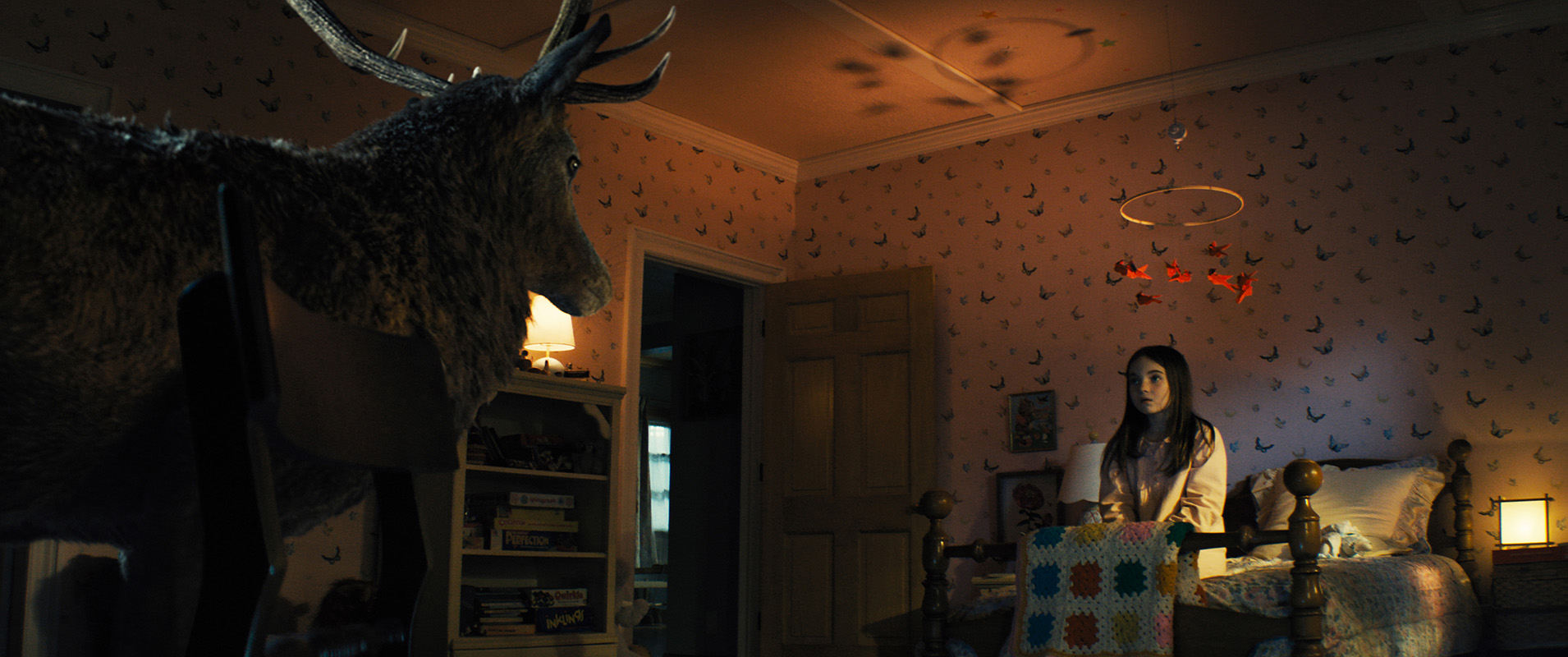
Disclosure Day is about a TV meteorologist and a corporate whistleblower whose unrelated brushes with extraterrestrial contact collide, forcing them to decide what they owe the truth versus what they owe each other.
Margaret Fairchild (Emily Blunt) is a Kansas City weather anchor whose on-air encounter with something not of this earth leaves her suddenly able to read people with unsettling accuracy and, more strangely, to understand languages she’s never learned. Meanwhile, in Virginia, cybersecurity expert Daniel Kellner (Josh O’Connor) has just stolen classified material from Wardex, the shadow corporation he used to work for, and he’s running. At the same time, the company’s enforcer, Noah Scanlon (Colin Firth), closes in.
What I appreciated on a structural level: the film doesn’t waste time pretending these two threads aren’t connected. It tells you early that Margaret and Daniel are heading toward each other, and instead spends its energy on the question of what they’ll do once they meet, which is a smarter choice than the marketing lets on.
Is Disclosure Day Worth Watching?
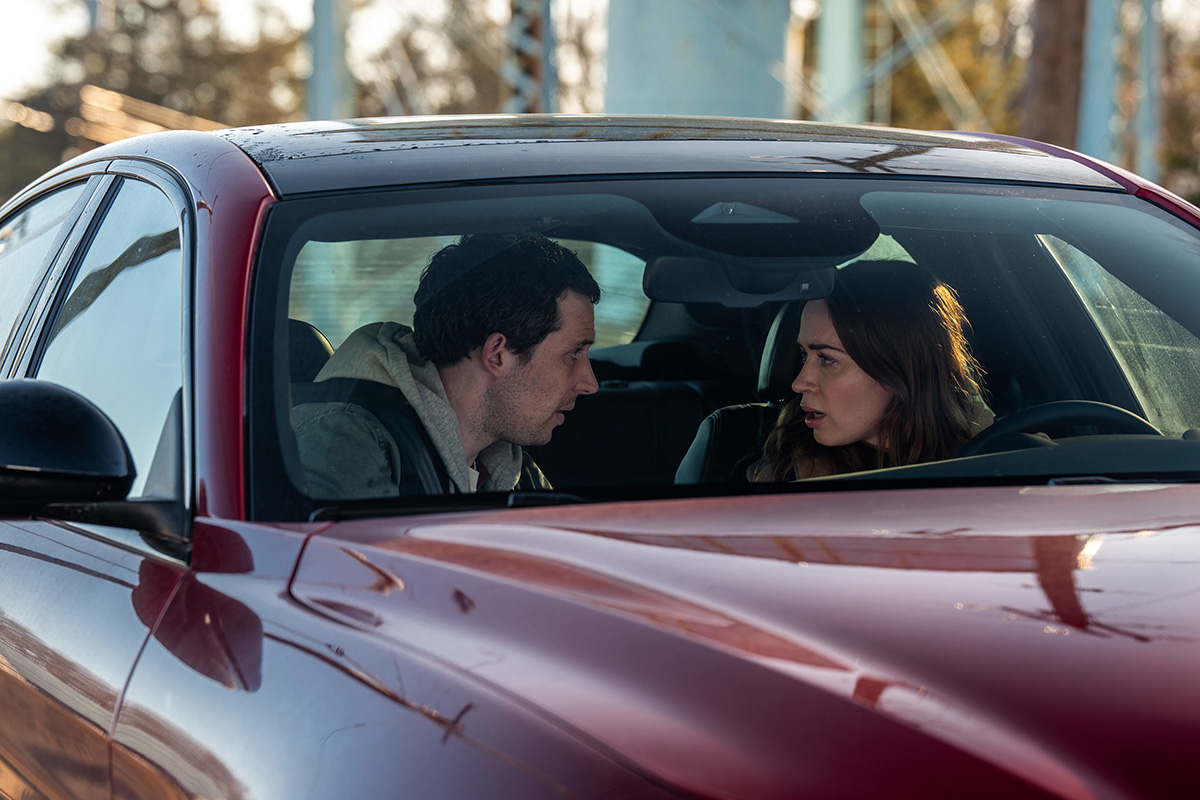
Yes, with a clear caveat: it’s worth watching for the craft and for Blunt, not for a satisfying mystery-box payoff.
I’ll be straight with you, because that’s the only kind of review I think is worth your time: I walked in expecting the file-leak conspiracy to be the engine of the movie, and by the hour mark I realized Spielberg had already moved on to a different question: what does it cost a person to be believed, or not believed, in real time? That’s a more interesting movie than the trailers made it seem. It’s also a movie some in the audience didn’t sign up for, and you can feel that disconnect in the way the back half plays out.
Why It’s Worth Watching
Genuinely tense first act, a career-strong Blunt performance, and sound design from Gary Rydstrom that does more storytelling than half the dialogue
Skip If…
You’re expecting a fast-paced alien invasion blockbuster packed with constant action and a crowd-pleasing finale. Disclosure Day slows down in its second half, prioritizing character, empathy, and ideas over spectacle.
What Works Best in Disclosure Day?
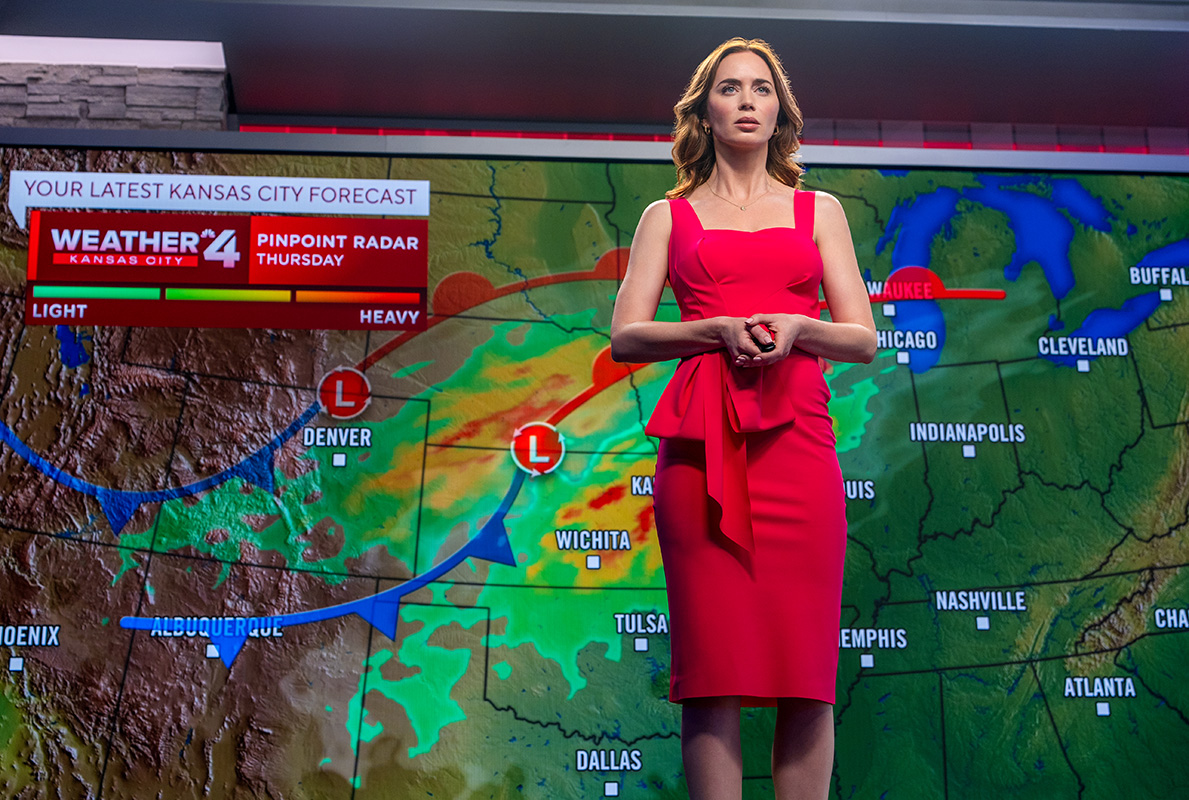
Emily Blunt’s performance and the film’s refusal to make Margaret’s powers feel like a superhero origin story are the two things that work best.
Blunt plays Margaret’s new abilities as an invasion of privacy as much as a gift. She flinches when she suddenly knows too much about a stranger, and that physical discomfort sells the concept faster than any line of dialogue could. There’s a scene midway through, in a diner, where she reads a waitress’s entire unspoken grief in about four seconds of screen time, and Blunt plays the aftermath of the guilt of having seen it better than the moment of seeing it.
Janusz Kamiński’s cinematography is doing real work too. The color grading shifts depending on whether we’re inside Margaret’s heightened perception or outside it, and it’s subtle enough that I didn’t consciously register it until a second viewing of the trailer, which tells you it’s functioning as craft, not as a gimmick announcing itself.
What Doesn’t Work in Disclosure Day?
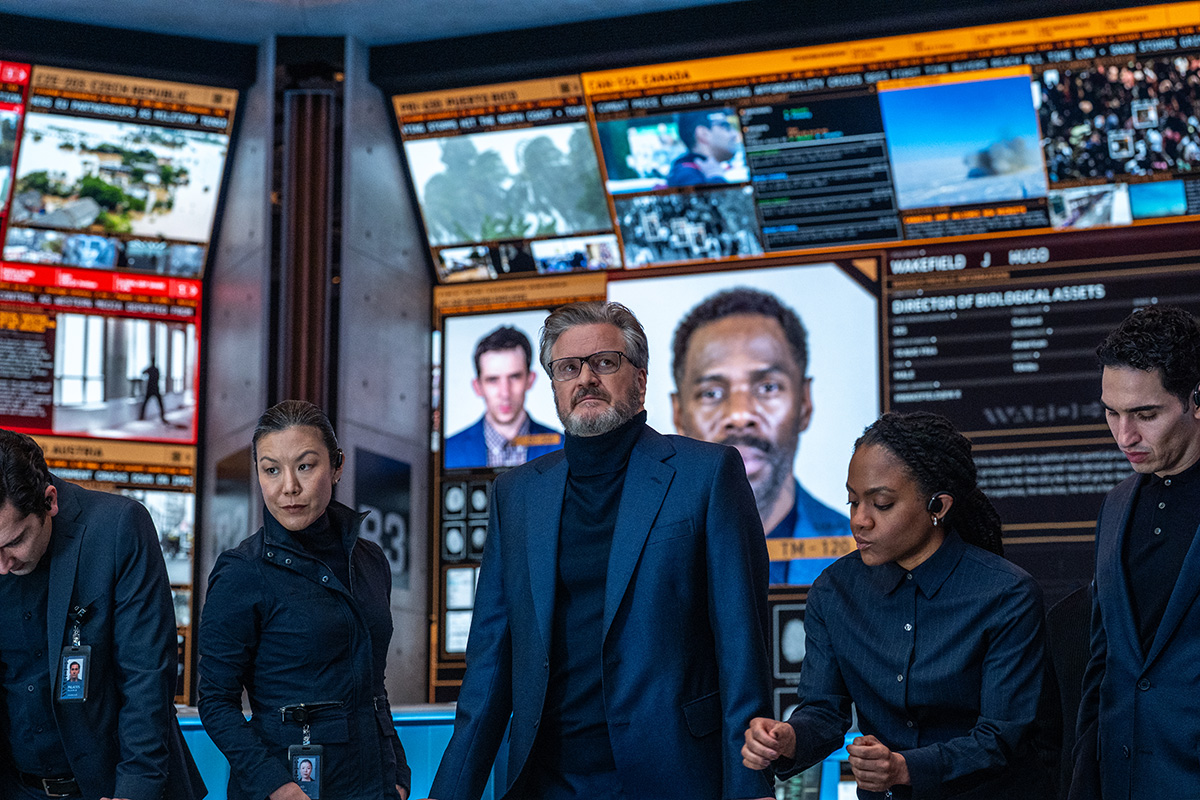
The ending pulls back from spectacle at exactly the moment the film has earned the right to deliver one, and Colin Firth’s villain never becomes a real obstacle.
This is where I land differently from some of the early reviews that came out before wide release. Once the film has you leaning forward for a climax, with Wardex closing in and the truth seconds from going public, Spielberg chooses restraint. I respect the instinct. Empathy over spectacle is a defensible thesis for a film about belief. But the execution makes the conspiracy plot feel like scaffolding the movie kicks away once it’s no longer useful, and that’s left a chunk of the audience cold; it’s a big part of why the CinemaScore came in lower than most of Spielberg’s recent work, even as critics scored it well.
Firth’s Noah Scanlon is the other soft spot. He’s all quiet menace and no real leverage. By the time the film gives him a single scene of genuine feeling near the end, it’s too late to retroactively make him a worthy adversary rather than a plot function.
Cast Performance Analysis
Emily Blunt anchors the film; Josh O’Connor matches her with a quieter, more physical performance; Eve Hewson and Wyatt Russell steal individual scenes.
| Actor | Role | My Take |
|---|---|---|
| Emily Blunt | Margaret Fairchild | Career-level work. Carries the film’s emotional logic almost single-handedly. |
| Josh O’Connor | Dr. Daniel Kellne | Leans on physicality over dialogue, effective, occasionally underwritten. |
| Colin Firth | Noah Scanlon | Strong actor, thin role. One late scene shows what was possible. |
| Eve Hewson | Jane | Magnetic in limited screen time; I wanted more of her. |
| Colman Domingo | Hugo Wakefield | Reliable, grounded presence in the Wardex-defector storyline. |
| Wyatt Russell | Jackson | The film’s comic relief, and it lands more often than not. |
How Is Steven Spielberg’s Direction in Disclosure Day?
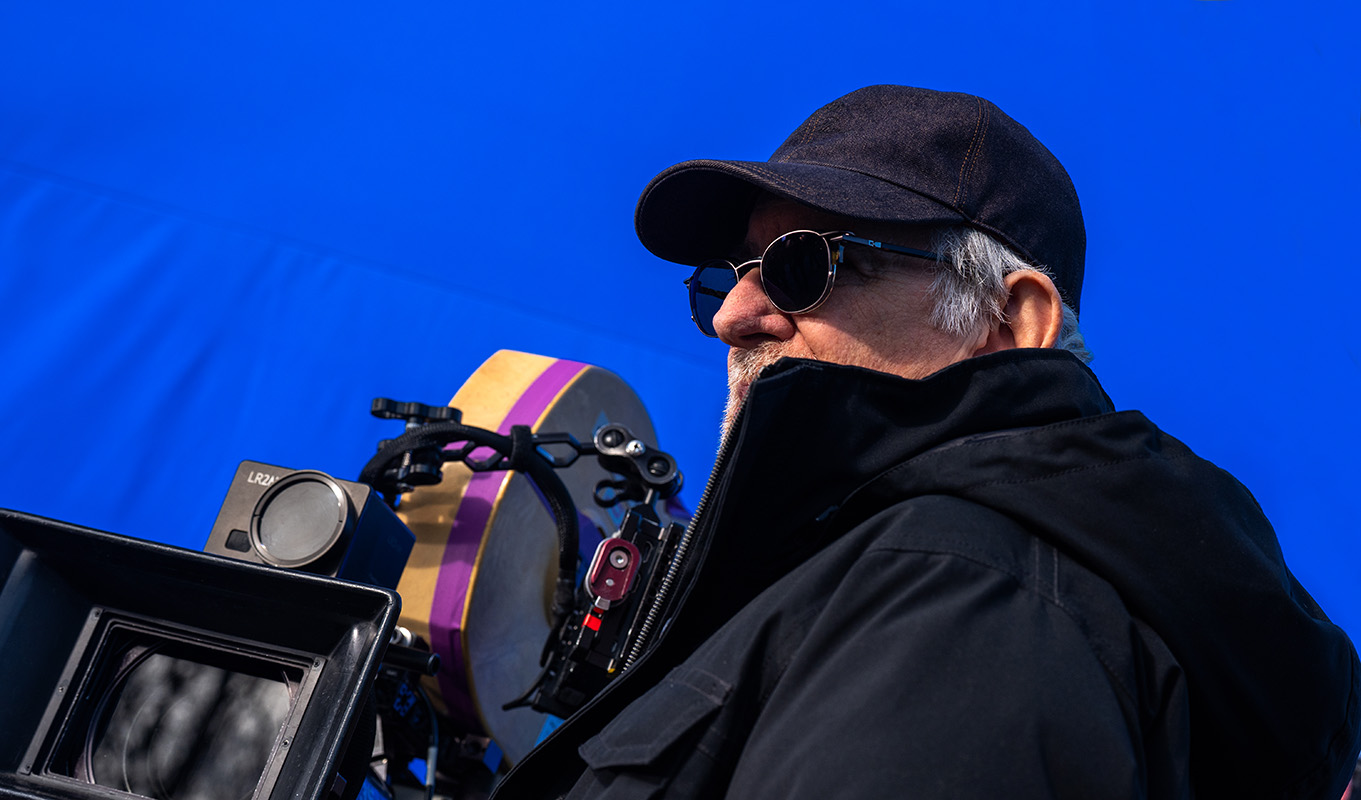
Confident and unmistakably his, even when the screenplay is working against him.
This is Spielberg’s first original sci-fi premise since E.T., and you can feel him reaching for that earlier, less cynical version of the genre: lens flares, suburban skies, faces lit from below. Critics have described the film as essentially about the need for empathetic connection with other people, framed through the lens of a truthful image breaking through, and that reading tracks with what I watched. Where Spielberg struggles is pacing the back half at the same clip as the front; the momentum the direction builds in act one doesn’t fully survive the tonal pivot in act three.
Cinematography Analysis
Janusz Kamiński’s camerawork is the film’s most consistent strength from start to finish.
The chase sequences are shot with a clarity that a lot of modern blockbusters have forgotten how to do; you always know where everyone is in the frame, which makes the tension legible instead of chaotic. The color desaturation during Margaret’s “reading” sequences is a smart visual shorthand that never needs a line of dialogue to explain itself.
Music and Sound Design Analysis
Gary Rydstrom’s sound design outperforms John Williams’ score, which is good but not top-tier Williams.
Gary Rydstrom’s sound design outperforms John Williams’ score, which is good but not top-tier Williams.
The sound mix during Margaret’s first on-air incident, where her voice briefly fractures into overlapping, alien-inflected speech, is the single best technical moment in the film. Williams’ score, by contrast, has passages that echo his own Close Encounters work a little too closely without quite reaching the same height.
Themes and Hidden Meanings in Disclosure Day
At its core, Disclosure Day is less about aliens than about what people will believe when they’re desperate to be understood.
Margaret’s ability to “read” people functions as a kind of forced empathy; she sees grief, guilt, and longing in strangers, whether she wants to or not, and the people she reads respond to her the way you’d respond to anyone who finally, truly saw you. That’s the film’s real subject: not extraterrestrial life, but the very human hunger to be known. The alien-conspiracy plot is the vehicle, not the destination.
Disclosure Day Ending Explained
Major Spoiler Warning
From this point onward, we’re discussing Disclosure Day’s ending in full, including major plot twists, character revelations, and the meaning behind the final scene. If you’re avoiding spoilers, come back after you’ve watched the film.
How the Climax Actually Plays Out?
The final stretch of Disclosure Day takes Daniel, Margaret, and Hugo Wakefield to a heavily secured broadcasting facility, with Wardex closing in behind them and the world, conveniently or not, already distracted by the threat of a different kind of global catastrophe. Spielberg stages the sequence less like a traditional action climax and more like a countdown to a broadcast. The tension isn’t “will they survive,” it’s “will they get the signal out in time.” That’s a deliberate inversion of how this kind of scene usually plays, and on a structural level, I think it’s one of the smarter choices in the script. Noah Scanlon’s people are still a physical threat, but the real obstacle becomes time, not violence.
What clicked for me, watching it a second time, is how much earlier footage gets re-contextualized once you know where the film is heading. The cardinal bird that visits Margaret, the strange animal behavior scattered through the first act, and the languages she suddenly understands are not random. The film is quietly building the idea that whatever extraterrestrial intelligence is behind all of this has been testing communication through Earth’s ecosystem long before it ever tried to reach a human being directly. Margaret and Daniel aren’t just witnesses to that process. They’re revealed to be its endpoint.
Want the Full Breakdown?
Margaret and Daniel’s connection to the aliens goes back further than either of them realizes, including a childhood twist, the final newsroom broadcast, what happens to Noah Scanlon, and the one word that ends the film.
Disclosure Day vs. Similar Movies
| Movie | How It Compares |
|---|---|
| Close Encounters of the Third Kind (1977) | Same wonder, far more optimism; less ambiguity by design. |
| Arrival (2016) | Arrival trusts its silence more; Disclosure Day is warmer but less disciplined. |
| Contact (1997) | Both ask what proof of the extraterrestrial does to human faith. Contact goes deeper into the science vs. belief debate. |
| War of the Worlds (2005) | Spielberg’s more cynical alien film, Disclosure Day, is its emotional opposite. |
Who Should Watch Disclosure Day?
Spielberg loyalists, Emily Blunt fans, and anyone who prefers character-driven sci-fi over spectacle-first blockbusters.
If you came out of Arrival wishing it had more warmth, or you’ve missed the earnest, hopeful register of 1980s Spielberg, this is for you. If you need your conspiracy thriller to pay off with a big reveal, manage your expectations going in.
Box Office and Critical Reception
Disclosure Day opened strongly commercially and split critics and audiences in the back half.
The film opened to $44 million domestically, with a $93 million global weekend on an $115 million budget, making it Spielberg’s best opening weekend since Ready Player One in 2018. Critically, it landed well on Rotten Tomatoes, with critics giving it 81%, with audiences at 75% in early tracking, though scores moved around as more reviews came in. The more telling number is the divide beneath the headline score: CinemaScore came in at a B, one of Spielberg’s lowest, while IMDb settled at a lukewarm 6.9, with the slower pacing and the anticlimactic ending cited as the main source of the split. Rotten Tomatoes’ own critical consensus notes the film “may wander narratively” while still resonating through “its deep exploration of human connection.” That’s about as accurate a one-line summary as I’ve seen anywhere, including my own review above.
Final Verdict
Disclosure Day is a film I respect more than I unreservedly love, and I think that’s the most honest place to land. Emily Blunt gives one of the best performances of her career, Spielberg’s direction and Kamiński’s camera work are firmly in command, and the first ninety minutes constitute some of the most purely entertaining filmmaking I’ve seen from him in years. But the back half asks you to trade the payoff you’ve been promised for a quieter, more sentimental idea, and while I understand the thesis, I don’t think the film fully earns the trade.
Watch it for Blunt, for the craft, and for a Spielberg who’s clearly still got something to say. Just don’t walk in expecting the ending to match the opening hour’s momentum because it doesn’t, and that’s exactly why this is a 3.5, not a 4.5.
Disclosure Day: Frequently Asked Questions
Is Disclosure Day worth watching in theaters?
Yes, mainly for the sound design and Kamiński’s cinematography, both of which are built for a big screen. The slower second half is more forgiving at home, so if you’re on the fence, a matinee is the lower-risk option over a premium-format ticket.
What is Disclosure Day actually about?
On the surface, it’s about a stolen alien artifact and a corporate cover-up. Underneath, it’s about a meteorologist and a whistleblower learning what it costs to be truly understood by another person. The conspiracy is the engine; empathy is the destination.
Is Disclosure Day a good movie or a disappointing one?
Both, depending on what you wanted from it. As a character piece carried by Emily Blunt, it’s genuinely good. As the alien-conspiracy thriller the trailers promised, it’s a letdown in the final act. I rated it 3.5/5 because both things are true at once.
Why did Disclosure Day get a B CinemaScore despite good critic reviews?
CinemaScore measures opening-night audience reaction, and audiences who came expecting a bigger payoff were left wanting more spectacle. Critics, writing with more distance, tended to grade the ambition and the performances higher than opening-night moviegoers graded their gut reaction to the ending.
Is Disclosure Day based on a true story?
No. It’s an original story by Steven Spielberg, scripted by David Koepp. It borrows the texture of real UFO-disclosure news cycles to feel current, but the plot and characters are fictional.
Is there a post-credits scene in Disclosure Day?
I didn’t see one during my screening, and nothing in the credits structure suggested one was coming. Treat the film’s ending as its actual ending.
What is Disclosure Day rated, and is it kid-friendly?
It’s rated PG-13. There’s no graphic violence, but there’s sustained tension, one psychologically intense interrogation scene, and themes around grief and belief that will likely go over the heads of kids under 12. I’d call it appropriate for most 12-and-up viewers.
Is Disclosure Day better than Spielberg’s other alien movies?
Not better than Close Encounters of the Third Kind or E.T., but it’s a more hopeful, less cynical film than War of the Worlds. I’d place it in the middle of his alien filmography, strong on craft and performance, softer on payoff.
Is Disclosure Day similar to Arrival or Contact?
Thematically, yes, all three ask what proof of extraterrestrial life does to human faith and connection. Arrival is more disciplined and ambiguous; Contact leans harder into the science-versus-belief debate; Disclosure Day is the warmest and most emotionally direct of the three.

 using WordPress and
No responses yet