
Tenet Ending Explained –
Time Inversion, Neil Theory &
What It All Means
Why This Criminally Underrated Masterpiece Is One of Hollywood’s Greatest Sci-Fi Thrillers of all time – And Why You Should Watch It Again.
Christopher Nolan made Memento to scramble your memory, Inception to hijack your dreams, and Interstellar to make you feel personally victimized by a black hole. Tenet? Tenet is the movie where time doesn’t just pass it moonwalks, does a backflip, and occasionally throws popcorn right back into your hands.
Released in September 2020, Tenet grossed over $365 million worldwide remarkable for any year, let alone one where half the world was wearing masks and Googling “Tenet ending explained” between bathroom breaks. Despite this, it remains one of the most underrated Hollywood movies of the last decade, deserving a permanent spot on every “best sci-fi movies of all time” and “best thriller movies” list out there. This guide is here to make that case, one inverted bullet at a time.
So, if you left the theatre clutching your head and muttering “Wait was I going forward or backward?” relax. You’re in excellent company. Grab some popcorn (bonus points for throwing it backward into your mouth) and let’s untangle this beautiful, brain-melting masterpiece together.
| What Does ‘Tenet’ Actually Mean?
Let’s start with the title, because even that is a clue.
“Tenet” is a palindrome a word that reads exactly the same forward and backward, like “racecar” or “level,” but with significantly more existential dread attached. That’s not a coincidence. It’s Nolan winking at you from the director’s chair.
In the film, Tenet is also a secret organization think of it as the world’s most exclusive spy club, where the entrance exam involves surviving fake cyanide and the dress code is “business casual with oxygen mask.” The organization exists to prevent a future catastrophe involving weapons that move backward through time. Because apparently, regular weapons just weren’t dangerous enough.
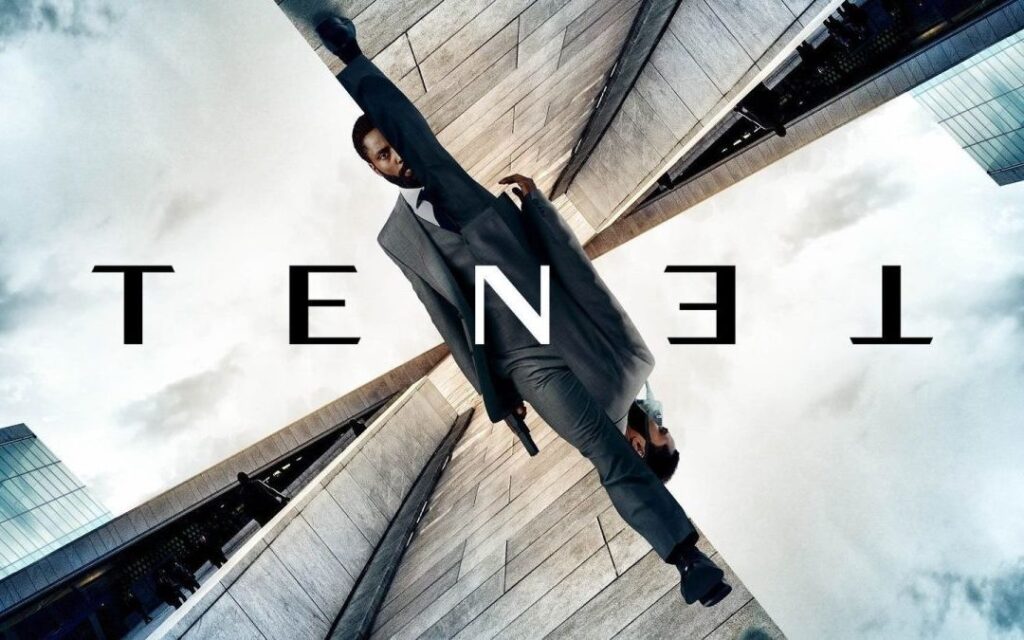
| The Premise: Espionage Meets Time Manipulation
Our hero The Protagonist (John David Washington), so classified he doesn’t even get a real name is recruited after surviving the world’s most stressful opera night in Kyiv. His mission? Identify who’s sending inverted weapons to the present, stop a global catastrophe, and try not to look too confused while doing it.
Strip away all the time gymnastics and Tenet is, at its core, a classic spy thriller. Think James Bond except Q hands you a gun and casually explains that the bullets fly back into the barrel.
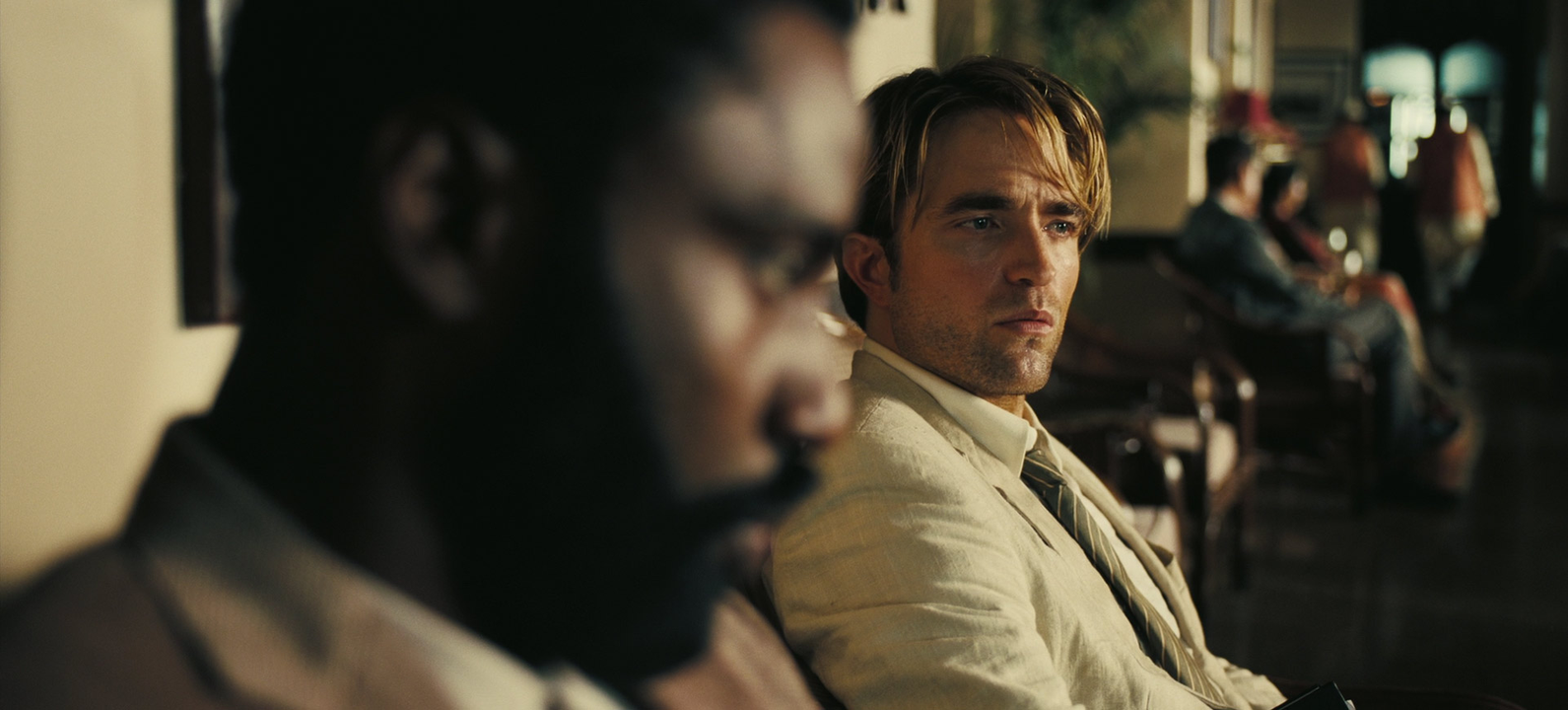
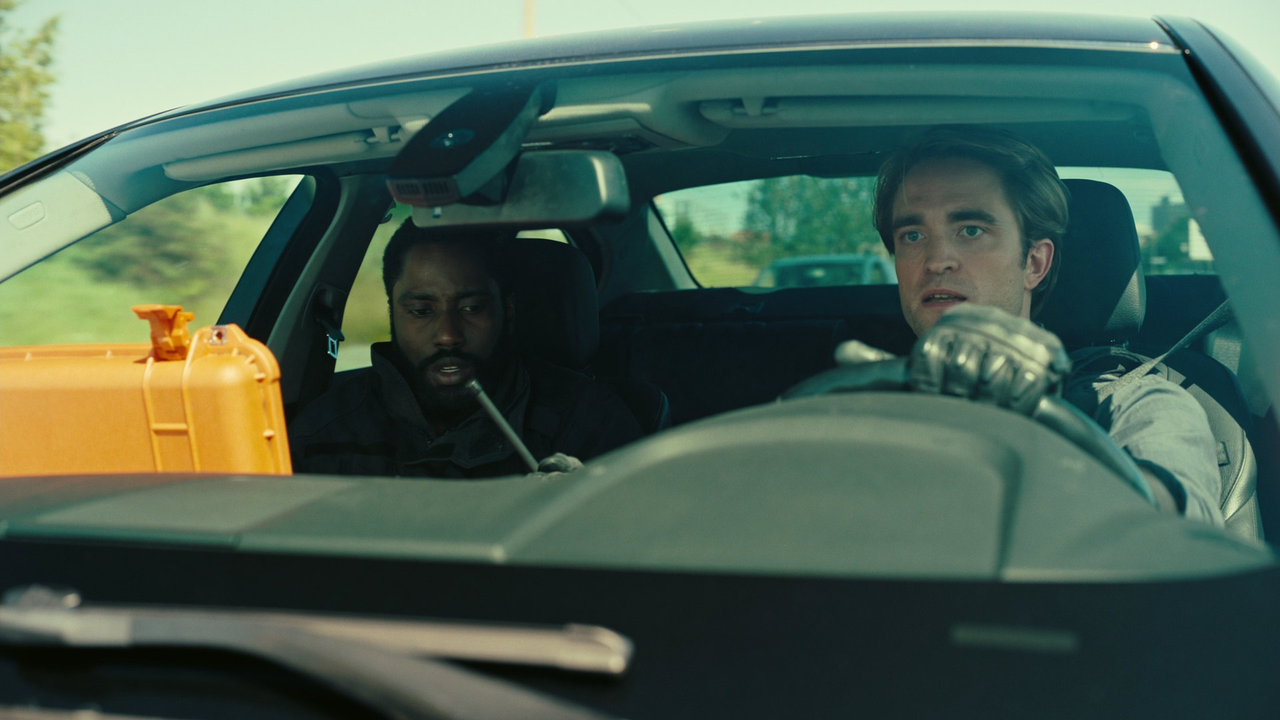
The Protagonist teams up with the effortlessly cool Neil (Robert Pattinson, doing his finest “I know something you don’t” impression) and Kat (Elizabeth Debicki), the estranged wife of the main villain. Together, they race through Kyiv, Oslo, Mumbai, and a very hostile frozen Soviet wasteland, piecing together a conspiracy that threatens to unravel reality itself.
| Inversion Explained (As Simply As Possible)
Here it is the concept that makes half the audience lean forward in fascination and the other half lean backward in actual confusion.
When a person or object is “inverted,” their entropy is reversed. In plain English: they move backward through time while the rest of the world moves forward. Spilled milk leaps back into the glass. Bullets don’t fly out of guns they fly back in. Great for saving ammo. Terrible for target practice.
Crucially, inverted people still think, act, and make decisions normally they just move through time in the opposite direction. Hot feels cold. Cold feels hot. And to anyone watching, it looks like they’re auditioning for the world’s most disorienting dance competition.
The Oslo Freeport scene brings this concept to vivid, chaotic life. The Protagonist ends up brawling with two versions of the same person one moving forward, one moving backward in a fight so precisely choreographed it almost hurts to follow. Almost. If you get through that scene without hitting pause, congratulations: you’ve earned a PhD in Nolanology.
| The Villain’s Plan: Sator and the Algorithm
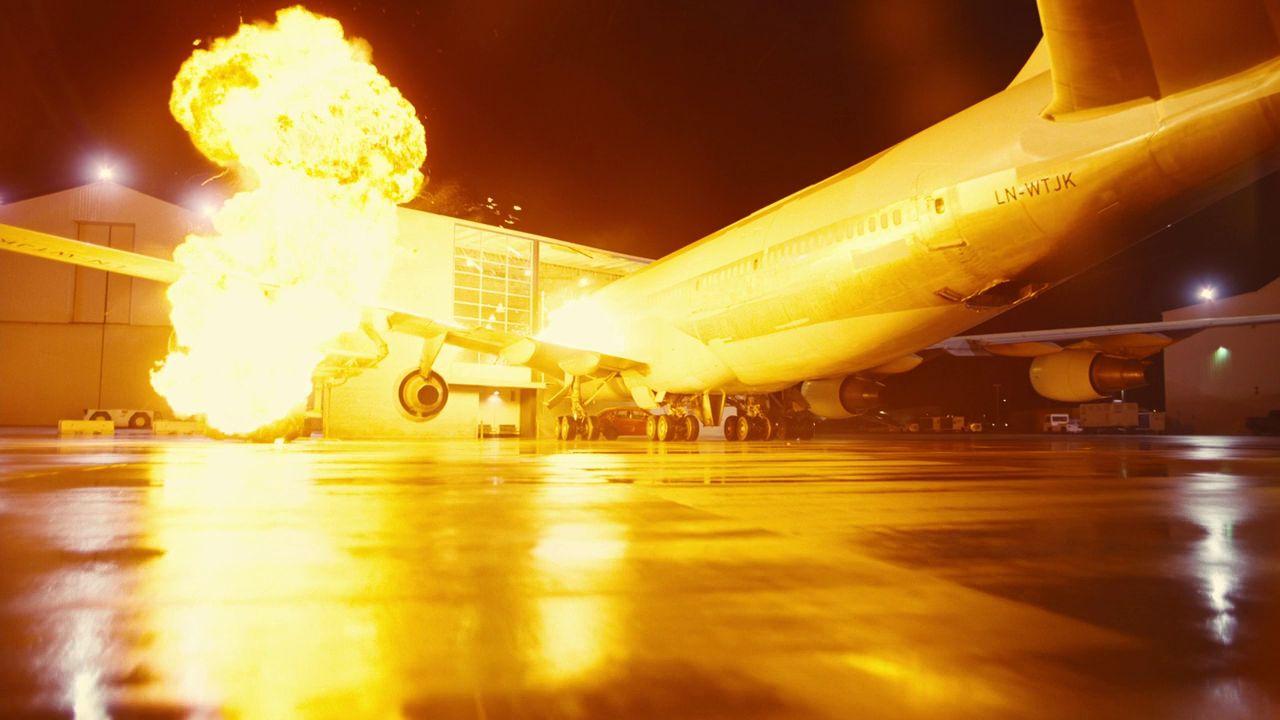
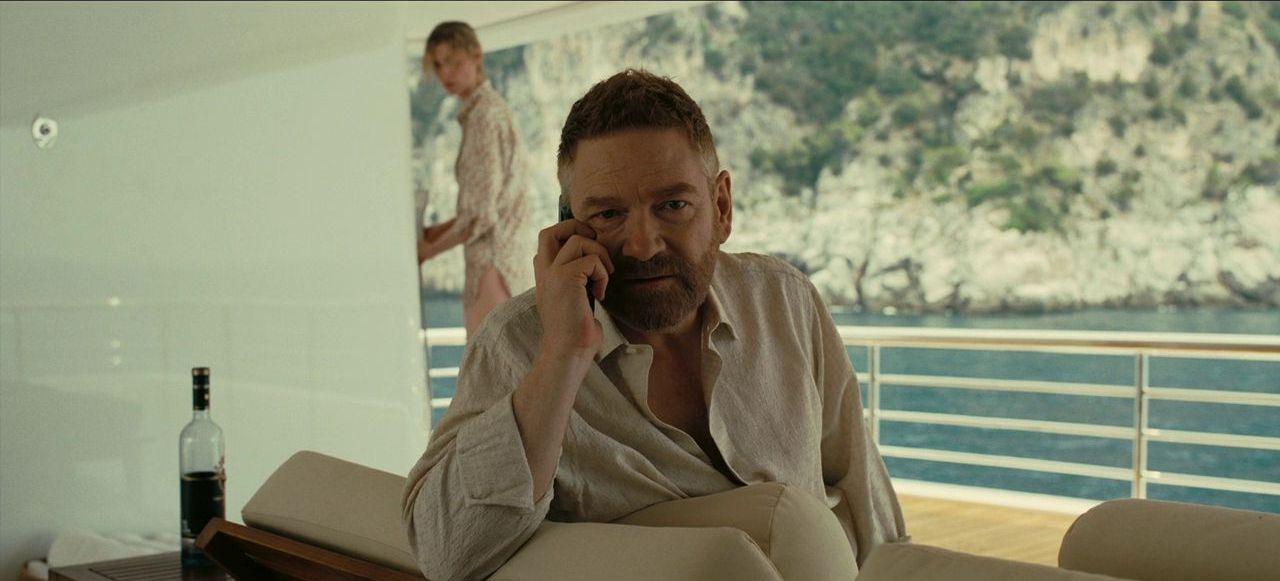
Andrei Sator (Kenneth Branagh) isn’t your average movie villain. He’s a dying Russian oligarch who has received secret communications from future operatives because apparently, the future decided the best use of time travel was to help one very angry billionaire detonate everything.
Those future operatives have been feeding Sator pieces of a device called the Algorithm. Think of it as the world’s most catastrophically dangerous IKEA flat-pack, split into nine parts, with absolutely zero margin for assembly error. When all nine pieces are assembled and activated, the Algorithm reverses the entropy of the entire planet, effectively ending all life as we know it.
Sator’s logic is as simple as it is unhinged: if he can’t survive to see the future, nobody gets one. The ultimate “If I can’t have it, nobody can” tantrum scaled to the annihilation of all human history.
| The Temporal Pincer Movement Explained
Get ready this is where Tenet officially goes full fourth-dimensional chess.
A standard military pincer movement involves surrounding an enemy from two sides simultaneously. A temporal pincer does the same thing, except one side moves forward through time and the other moves backward, attacking the same battle from opposite ends of the timeline.
The inverted team has already experienced the battle in reverse. They know what’s coming. It’s like playing chess against someone who’s already memorized every move the ultimate tactical cheat code.
The final battle at Stalsk-12, a frozen Soviet ghost town, unfolds exactly this way. Red Team charges forward; Blue Team moonwalks backward through the same chaotic battlefield. Tracking who’s going which direction is, objectively, a challenge on first watch. Once you see it, though, you can’t unsee how brilliantly constructed the whole sequence is.
| The Ending Explained
The climax is essentially a high-stakes game of “grab the world’s most dangerous puzzle before the dying supervillain pushes the button” all set in an exploding frozen wasteland where things are simultaneously blowing up and un-blowing up.
The team secures the Algorithm. Kat stalls Sator on a yacht, holding the line long enough to prevent detonation. The world survives. The nine pieces are split and buried across history.
Here’s where the Tenet movie explanation takes its most satisfying turn: the Protagonist realizes he founded Tenet in the first place. He recruited himself into his own organization. That’s a career move LinkedIn has absolutely no framework for.
Then there’s the red string. A red cord on Neil’s backpack matches the one on the masked figure who saves the Protagonist’s life during the Stalsk-12 chaos. Neil sacrifices himself fully aware of what’s coming because he’s already chosen to do it. He does it anyway.
That moment of quiet sacrifice, rooted in a loop of loyalty across time, is one of cinema’s most emotionally precise endings. It hits differently the second time.
| Who Is Neil? The Theory That Changes Everything
Neil never gets a surname. He gets a scarf, an unbothered demeanor, and an uncanny habit of knowing exactly where to be almost like he’s been briefed in advance.
The most compelling fan theory: Neil is Kat’s son Max, grown up, trained as a spy, and sent back through the timeline by the Protagonist himself. The pieces fit almost too neatly. The Protagonist briefly meets young Max in the film. Years later in a future we never see he presumably recruits Max into Tenet, trains him, and sends him on the very mission that ends in his death.
It explains Neil’s loyalty. His knowledge. His eerie calm. His goodbye at the film’s end doesn’t feel like colleagues parting it feels like a son honoring a promise made to a man who will only now, finally, understand it.
John David Washington himself has said he likes this theory. Nolan, of course, says nothing. Classic.
Watch Tenet again with the Neil-is-Max theory in mind, and it transforms from a brilliant sci-fi thriller into something genuinely heartbreaking.
| Tenet Deserves a Place Among the Greatest Films Ever Made
Tenet rewards patience, attention, and a genuine comfort with being temporarily lost before things click into place. The first watch is about survival. The second is where the craftsmanship reveals itself every line Neil speaks carries double meaning, every detail a clue you missed the first time around.
Beneath the dazzling set pieces and quantum-adjacent concepts, Tenet is fundamentally a film about fate versus free will. The Protagonist lives in a world where his future has essentially already been decided and yet he keeps pushing forward. That’s not just great thriller writing. That’s philosophy with explosions.
Few films of the last decade have been as bold, as original, or as genuinely committed to challenging their audience. That’s exactly why it stands among the best sci-fi movies of all time and remains one of cinema’s most underrated Hollywood movies. It asked audiences to work for their entertainment and the ones who were ready are still talking about it years later.
Ready to watch it again? Hit play. This time, pay close attention to the backpacks.

 using WordPress and
No responses yet